By Opheera McDoom
Oct 22 (Reuters) - Armed militia have looted and attacked civilians and raped two girls in villages in the Nena area of North Darfur, rebels said on Sunday.
Despite a May peace deal violence has escalated in Sudan's remote west where experts say 200,000 people have been killed and 2.5 million forced from their homes.
"The Janjaweed attacked villages in Nena yesterday and raped two girls ... aged 16 and 18," said Jar el-Naby, a rebel commander in North Darfur.
"Government troops are also mobilising in this area, and we are prepared for an attack," Naby said. Read more >>>
Monday, October 23, 2006


Stop the killing of innocents in Darfur
Auschwitz, Rwanda, Bosnia, now Darfur.
Darfur is facing genocide. Already, 400,000 people have been killed, and more than 2 million are in refugee camps. Torture, rape and murder of civilians are occurring because of civil war. The United Nations must send peacekeeping troops, and the Sudanese government is sending mixed messages as to whether it will accept such troops. The peacekeeping force already in Darfur is in urgent need of funds. Our efforts thus far are not enough to prevent the murder of countless innocents.
I urge readers to do their own research and contact their congressmen. We cannot allow people in a faraway country to die en masse again.
Maura Loew
Source
Darfur is facing genocide. Already, 400,000 people have been killed, and more than 2 million are in refugee camps. Torture, rape and murder of civilians are occurring because of civil war. The United Nations must send peacekeeping troops, and the Sudanese government is sending mixed messages as to whether it will accept such troops. The peacekeeping force already in Darfur is in urgent need of funds. Our efforts thus far are not enough to prevent the murder of countless innocents.
I urge readers to do their own research and contact their congressmen. We cannot allow people in a faraway country to die en masse again.
Maura Loew
Source
Sunday, October 22, 2006
Senator Obama calls for more U.S. action on Darfur
WASHINGTON A Democratic senator said Sunday that the United States should do more to help stem violence in the war-ravaged Darfur region of Sudan.
Sen. Barack Obama, who is considering a run for president in 2008, called for "more leadership than we have taken in forming an international protective force in Darfur," where violence has risen dramatically in recent weeks. More than 200,000 people have been killed and 2.5 million displaced in three years of fighting.
"When you have situations involving genocide, it is important for us as a world community — and the United States is the world's sole super power — for us to take that seriously, and to make commitments of resources to deal with it," Obama told NBC's "Meet the Press." Read more >>>
Sen. Barack Obama, who is considering a run for president in 2008, called for "more leadership than we have taken in forming an international protective force in Darfur," where violence has risen dramatically in recent weeks. More than 200,000 people have been killed and 2.5 million displaced in three years of fighting.
"When you have situations involving genocide, it is important for us as a world community — and the United States is the world's sole super power — for us to take that seriously, and to make commitments of resources to deal with it," Obama told NBC's "Meet the Press." Read more >>>
EU official says UN presence in Darfur is vital to civilians there
BRUSSELS, Belgium The European Union on Sunday criticized Sudan's decision to order the chief U.N. envoy out of the country, arguing the role of the United Nations is key to resolving the crisis in Darfur.
"The presence of the United Nations is vital to hundreds of thousands of citizens of the Darfur region," said Amadeu Altafaj Tardio, a spokesman for the EU Commission.
The order for U.N. envoy Jan Pronk to leave within three days will likely further complicate efforts to end the crisis in the strife-torn region of western Sudan, he said.
"The situation is deteriorating rapidly," said Altafaj Tardio. "The U.N. has a key role to play which goes well beyond security and the current discussions on the U.N. deployment." Read more >>>
"The presence of the United Nations is vital to hundreds of thousands of citizens of the Darfur region," said Amadeu Altafaj Tardio, a spokesman for the EU Commission.
The order for U.N. envoy Jan Pronk to leave within three days will likely further complicate efforts to end the crisis in the strife-torn region of western Sudan, he said.
"The situation is deteriorating rapidly," said Altafaj Tardio. "The U.N. has a key role to play which goes well beyond security and the current discussions on the U.N. deployment." Read more >>>
Saturday, October 21, 2006
Sudan masses its troops for a decisive strike on Darfur
By Gethin Chamberlain in El Fasher, North Darfur
The soldier pushed at the bomb with his foot, rolling it through the dust towards the white Russian-built Antonov aircraft standing on the runway of El Fasher airport.
The plane was being loaded for another bombing run, as Sudanese government forces gear up for a military onslaught when Ramadan ends today or tomorrow.
Crude but effective, the Antonovs are back in the air over the villages of Darfur, just as they were during the initial pogroms that killed hundreds of thousands and displaced more than two million. When they reach their targets, the soldiers lower the ramps and kick out the bombs – which look like munitions used in the Second World War – to explode on those below.
New arrivals at the El Salaam camp outside Fasher, the capital of North Darfur, describe how the Antonovs and helicopter gunships attacked their villages, forcing them to flee.
"I saw about 10 bombs falling," said Adam Ishag, who fled his village of Hila Babkeir after it came under attack. "They exploded beside the houses and two were destroyed. We took the children and we ran away."
The troubled western region of Sudan is entering a new and dangerous period. The Darfur Peace Agreement, signed in the Nigerian capital Abuja in May, largely at the urging of the international community, is widely perceived to have failed. Fighting has escalated and the rebel groups, which splintered acrimoniously after the signing, are once again looking to present a united front. Read more >>>
The soldier pushed at the bomb with his foot, rolling it through the dust towards the white Russian-built Antonov aircraft standing on the runway of El Fasher airport.
The plane was being loaded for another bombing run, as Sudanese government forces gear up for a military onslaught when Ramadan ends today or tomorrow.
Crude but effective, the Antonovs are back in the air over the villages of Darfur, just as they were during the initial pogroms that killed hundreds of thousands and displaced more than two million. When they reach their targets, the soldiers lower the ramps and kick out the bombs – which look like munitions used in the Second World War – to explode on those below.
New arrivals at the El Salaam camp outside Fasher, the capital of North Darfur, describe how the Antonovs and helicopter gunships attacked their villages, forcing them to flee.
"I saw about 10 bombs falling," said Adam Ishag, who fled his village of Hila Babkeir after it came under attack. "They exploded beside the houses and two were destroyed. We took the children and we ran away."
The troubled western region of Sudan is entering a new and dangerous period. The Darfur Peace Agreement, signed in the Nigerian capital Abuja in May, largely at the urging of the international community, is widely perceived to have failed. Fighting has escalated and the rebel groups, which splintered acrimoniously after the signing, are once again looking to present a united front. Read more >>>
Doing business with Africa's Hitler
Public pension funds shouldn't support genocide
In the Sudan's government ceaseless genocide in Darfur - while the world watches in horror but does not act - 80 children under age 5 die each day, estimates the United Nations Children's Fund (Sudan Tribune Web site, Oct. 7). As more relief agencies pull out because of the growing violence, more children older than age 5 will die. Yet, just before leaving for midterm elections, the Senate stripped out a vital part of the Darfur Peace and Accountability Act. Read more >>>
In the Sudan's government ceaseless genocide in Darfur - while the world watches in horror but does not act - 80 children under age 5 die each day, estimates the United Nations Children's Fund (Sudan Tribune Web site, Oct. 7). As more relief agencies pull out because of the growing violence, more children older than age 5 will die. Yet, just before leaving for midterm elections, the Senate stripped out a vital part of the Darfur Peace and Accountability Act. Read more >>>
Sudan: UN Receives Reports of Deadly Government Bombing in Darfur, Arrest of Aid Workers
Amid increasing insecurity in Sudan's strife-torn Darfur region, the United Nations mission in the country has received reports that a Government aircraft bombed an area in North Darfur, killing an eight-year-old boy, and that two aid workers were arrested in the south of the region.
The reports to the UN Mission in Sudan (UNMIS) said the aircraft "dropped an unconfirmed number of bombs" near Birmaza yesterday, spokesman Stephane Dujarric told reporters in New York. Read more >>>
The reports to the UN Mission in Sudan (UNMIS) said the aircraft "dropped an unconfirmed number of bombs" near Birmaza yesterday, spokesman Stephane Dujarric told reporters in New York. Read more >>>
Friday, October 20, 2006
Genocide survivors urges EU sanctions over Darfur
Survivors of genocide, from the Nazi Holocaust to Rwanda, called on Friday for European Union sanctions to stop the Darfur conflict, saying so far the EU has done almost nothing to stop mass killing in western Sudan.
"I didn't survive a Nazi concentration camp to sit back while genocide is repeated," said Holocaust survivor Martin Stern, one of 120 people to sign an open letter to EU states.
"Europe can play a leading role in stopping this slaughter but it has to act now," he added.
Sudan is resisting international pressure to allow 20,000 U.N. troops to replace African Union peacekeepers in Darfur, where 200,000 people have been killed and 2.5 million displaced in a three-year-old conflict. Read more >>>
"I didn't survive a Nazi concentration camp to sit back while genocide is repeated," said Holocaust survivor Martin Stern, one of 120 people to sign an open letter to EU states.
"Europe can play a leading role in stopping this slaughter but it has to act now," he added.
Sudan is resisting international pressure to allow 20,000 U.N. troops to replace African Union peacekeepers in Darfur, where 200,000 people have been killed and 2.5 million displaced in a three-year-old conflict. Read more >>>
Thursday, October 19, 2006
SUDAN AIR FORCE IS SAID TO HAVE BOMBED DARFUR TOWN
By (AND) - www.andnetwork.com
The UN Mission in Sudan (UNMIS) says it has received reports that a government aircraft dropped an unconfirmed number of bombs near Birmaza in North Darfur yesterday, leading to the death of an eight-year-old boy.
UNMIS has also received reports that two staff members from an international NGO were arrested in South Darfur two days ago for taking photographs without the required permit; and in West Darfur, armed bandits tried to break into an NGO compound in Nertiti. And while on the topic of Darfur, a new UN assessment has found that despite the deteriorating security situation, overall malnutrition levels have mostly stabilized this year and food insecurity has improved slightly thanks to a stronger international response to the suffering there.
The UN Mission in Sudan (UNMIS) says it has received reports that a government aircraft dropped an unconfirmed number of bombs near Birmaza in North Darfur yesterday, leading to the death of an eight-year-old boy.
UNMIS has also received reports that two staff members from an international NGO were arrested in South Darfur two days ago for taking photographs without the required permit; and in West Darfur, armed bandits tried to break into an NGO compound in Nertiti. And while on the topic of Darfur, a new UN assessment has found that despite the deteriorating security situation, overall malnutrition levels have mostly stabilized this year and food insecurity has improved slightly thanks to a stronger international response to the suffering there.
Former deputy of U.N. speaks out on the situation in Darfur
By Jeff Merski
A former member of the United Nations Office for the Coordination of Humanitarian Affairs spoke to members of the university community on Oct. 16 about his experiences in the Darfur region of Sudan.
Donald Price, a former deputy head of the United Nations operations in the region, spoke in Annenberg Forum about the destruction in the region, in which an estimated 300,000 to 400,000 people have lost their lives, with it continuing daily.
“People will have been kidnapped, raped and killed while I give this presentation,” he said.
Price described the actions of the Arab government destroying homes, poising wells and degrazing agricultural land in an effort to persecute the black population. “It’s the systematic destruction of civilian villages,” he said.
“A helicopter wipes out a village in an hour. It’s an attack helicopter that has rockets and machine guns,” he said. Villages range in size from a maximum of 7,000 occupants to a minimum of 200, with sizes depending on the amount of land available for grazing. Read more >>>
A former member of the United Nations Office for the Coordination of Humanitarian Affairs spoke to members of the university community on Oct. 16 about his experiences in the Darfur region of Sudan.
Donald Price, a former deputy head of the United Nations operations in the region, spoke in Annenberg Forum about the destruction in the region, in which an estimated 300,000 to 400,000 people have lost their lives, with it continuing daily.
“People will have been kidnapped, raped and killed while I give this presentation,” he said.
Price described the actions of the Arab government destroying homes, poising wells and degrazing agricultural land in an effort to persecute the black population. “It’s the systematic destruction of civilian villages,” he said.
“A helicopter wipes out a village in an hour. It’s an attack helicopter that has rockets and machine guns,” he said. Villages range in size from a maximum of 7,000 occupants to a minimum of 200, with sizes depending on the amount of land available for grazing. Read more >>>
The EU must act now on Darfur as new violence cuts off thousands of civilians
The European Union must immediately increase pressure on all sides to fully adhere to a ceasefire in response to the escalating crisis in Darfur, said a coalition of aid agencies today.
As EU heads of state meet in Finland today the six agencies – CAFOD, CARE International, Christian Aid, Oxfam, International Rescue Committee and Tearfund –warned that suffering will continue to increase unless international bodies such as the EU take on a greater leadership role.
The agencies warn that renewed violence in North Darfur has driven thousands of civilians deep into the mountains where they are cut off from aid. September has seen major new outbreaks of violence in North Darfur and the central Jebel Marra region, and a new rise in militia attacks destroying dozens of villages in South Darfur. Read more >>>
As EU heads of state meet in Finland today the six agencies – CAFOD, CARE International, Christian Aid, Oxfam, International Rescue Committee and Tearfund –warned that suffering will continue to increase unless international bodies such as the EU take on a greater leadership role.
The agencies warn that renewed violence in North Darfur has driven thousands of civilians deep into the mountains where they are cut off from aid. September has seen major new outbreaks of violence in North Darfur and the central Jebel Marra region, and a new rise in militia attacks destroying dozens of villages in South Darfur. Read more >>>
Wednesday, October 18, 2006
Darfur: A second wave of genocide has begun
By Eric Reeves
The story of a former Janjaweed fighter who fled to the UK shows beyond doubt that a second wave of genocide has begun.
Although there are perverse pockets of skepticism about whether atrocities in Darfur amount to genocide, the evidence provided by human rights organisations and UN assessments over the past three and a half years incinerates all but the most obdurate or politically motivated doubt. The narrative of ethnically-targeted human destruction has become numbingly, terrifyingly familiar. Read more >>>
The story of a former Janjaweed fighter who fled to the UK shows beyond doubt that a second wave of genocide has begun.
Although there are perverse pockets of skepticism about whether atrocities in Darfur amount to genocide, the evidence provided by human rights organisations and UN assessments over the past three and a half years incinerates all but the most obdurate or politically motivated doubt. The narrative of ethnically-targeted human destruction has become numbingly, terrifyingly familiar. Read more >>>
Death in Darfur
Eric Reeves
The story of a former Janjaweed fighter who fled to the UK shows beyond doubt that a second wave of genocide has begun.
Although there are perverse pockets of skepticism about whether atrocities in Darfur amount to genocide, the evidence provided by human rights organisations and UN assessments over the past three and a half years incinerates all but the most obdurate or politically motivated doubt. The narrative of ethnically-targeted human destruction has become numbingly, terrifyingly familiar. Read more >>>
The story of a former Janjaweed fighter who fled to the UK shows beyond doubt that a second wave of genocide has begun.
Although there are perverse pockets of skepticism about whether atrocities in Darfur amount to genocide, the evidence provided by human rights organisations and UN assessments over the past three and a half years incinerates all but the most obdurate or politically motivated doubt. The narrative of ethnically-targeted human destruction has become numbingly, terrifyingly familiar. Read more >>>
Excerpts: Ex-Janjaweed fighter story
Watch the video on the top right corner after clicking this link
A former member of Sudan's pro-government Arab militias, the Janjaweed, has told the BBC's Newsnight programme that ministers in Khartoum gave orders for the activities of his unit in the Darfur region, which included killings and rape.
Following are excerpts of the interview with ex-fighter "Ali", who is now living in London. Read more >>>
A former member of Sudan's pro-government Arab militias, the Janjaweed, has told the BBC's Newsnight programme that ministers in Khartoum gave orders for the activities of his unit in the Darfur region, which included killings and rape.
Following are excerpts of the interview with ex-fighter "Ali", who is now living in London. Read more >>>
EU: Darfur Escalation Demands
Brussels, October 19, 2006) ?
European governments must apply targeted sanctions on President Omar El Bashir and other top Sudanese officials responsible for the ongoing military offensive and associated abuses against civilians in Darfur, Human Rights Watch said today. A summit of EU heads of state is scheduled for October 20, 2006 in Finland. In October, the UN Panel of Experts reported to the UN sanctions committee that almost all the warring parties in Darfur were blatantly violating the arms embargo and recommended that individual sanctions be applied to a confidential list of individuals.
"The UN Panel of Experts has recommended sanctions on those who continue to abuse civilians and violate the arms embargo. Clearly Khartoum policymakers should be top of this list," said Peter Takirambudde, director of Human Rights Watch's Africa division. "The European Union says it supports sanctions. If this is more than rhetoric then now is the time to apply them at the European level." Read more >>>
European governments must apply targeted sanctions on President Omar El Bashir and other top Sudanese officials responsible for the ongoing military offensive and associated abuses against civilians in Darfur, Human Rights Watch said today. A summit of EU heads of state is scheduled for October 20, 2006 in Finland. In October, the UN Panel of Experts reported to the UN sanctions committee that almost all the warring parties in Darfur were blatantly violating the arms embargo and recommended that individual sanctions be applied to a confidential list of individuals.
"The UN Panel of Experts has recommended sanctions on those who continue to abuse civilians and violate the arms embargo. Clearly Khartoum policymakers should be top of this list," said Peter Takirambudde, director of Human Rights Watch's Africa division. "The European Union says it supports sanctions. If this is more than rhetoric then now is the time to apply them at the European level." Read more >>>
Tuesday, October 17, 2006
U.S. Must Crank Up the Heat on Khartoum
John Prendergast and Colin Thomas-Jensen
There is plenty of blame to go around in the continuing crisis in Darfur. But the stalemate over the deployment of a U.N. peacekeeping operation to the ravaged region in Sudan can be traced directly to the international community's failure to apply strong diplomatic and economic pressure on senior officials of the ruling National Congress Party to end the killing, negotiate amendments to the flawed Darfur Peace Agreement and accept U.N. troops.
Until and unless the international community takes collective, punitive action against the NCP, it is foolish to believe that Khartoum will stop its increasingly clamorous public posturing and its escalating war strategy, or do any more than pay continued lip-service to its numerous unfulfilled promises, most notably the disarmament of its allied Janjaweed militias. Read more >>>
There is plenty of blame to go around in the continuing crisis in Darfur. But the stalemate over the deployment of a U.N. peacekeeping operation to the ravaged region in Sudan can be traced directly to the international community's failure to apply strong diplomatic and economic pressure on senior officials of the ruling National Congress Party to end the killing, negotiate amendments to the flawed Darfur Peace Agreement and accept U.N. troops.
Until and unless the international community takes collective, punitive action against the NCP, it is foolish to believe that Khartoum will stop its increasingly clamorous public posturing and its escalating war strategy, or do any more than pay continued lip-service to its numerous unfulfilled promises, most notably the disarmament of its allied Janjaweed militias. Read more >>>
Monday, October 16, 2006
Genocide and global indifference
By George J. Bryjak
Since February of 2003, approximately 400,000 people have been killed in Darfur, a near Texas-size desert region in western Sudan. The Sudanese armed forces and a government-backed militia known as the “Janjaweed” have been fighting two rebel factions in Darfur. These groups oppose the political and economic exploitation of their homeland. Government forces and the Janjaweed are primarily Arab nomads, while the inhabitants of Darfur are black Africans. Read more >>>
Since February of 2003, approximately 400,000 people have been killed in Darfur, a near Texas-size desert region in western Sudan. The Sudanese armed forces and a government-backed militia known as the “Janjaweed” have been fighting two rebel factions in Darfur. These groups oppose the political and economic exploitation of their homeland. Government forces and the Janjaweed are primarily Arab nomads, while the inhabitants of Darfur are black Africans. Read more >>>
Food shortages major challenge of 21st century
By Anthony Fletcher
16/10/2006 - The FAO has marked today's World Food Day with a warning that 40 countries currently face acute food shortages.
The crisis in the Darfur region of Sudan is still the most pressing humanitarian problem, and the FAO is concerned that "the already precarious food supply situation may worsen if deteriorating security disrupts the main harvest due to start in the coming few weeks". Read more >>>
16/10/2006 - The FAO has marked today's World Food Day with a warning that 40 countries currently face acute food shortages.
The crisis in the Darfur region of Sudan is still the most pressing humanitarian problem, and the FAO is concerned that "the already precarious food supply situation may worsen if deteriorating security disrupts the main harvest due to start in the coming few weeks". Read more >>>
UN 'failed to act on Darfur'
London - The catastrophe in Sudan's Darfur region could have been averted if the United Nations, world media and human rights groups had picked up and acted on warning signals, said a human rights group on Monday.
Minority Rights Group (MRG) accused the international community of failing to learn from the genocide in Rwanda 10 years earlier and to set up a system to predict and thwart escalating ethnic violence.
Mark Lattimer of the MRG said: "Darfur would just not be in this situation had the UN systems got its act together after Rwanda: their action was too little too late.
"This level of crisis, the killings, rape and displacement could have been foreseen and avoided. Read more >>>
Minority Rights Group (MRG) accused the international community of failing to learn from the genocide in Rwanda 10 years earlier and to set up a system to predict and thwart escalating ethnic violence.
Mark Lattimer of the MRG said: "Darfur would just not be in this situation had the UN systems got its act together after Rwanda: their action was too little too late.
"This level of crisis, the killings, rape and displacement could have been foreseen and avoided. Read more >>>
Sunday, October 15, 2006
Darfur refugees plea for more protection from the international community
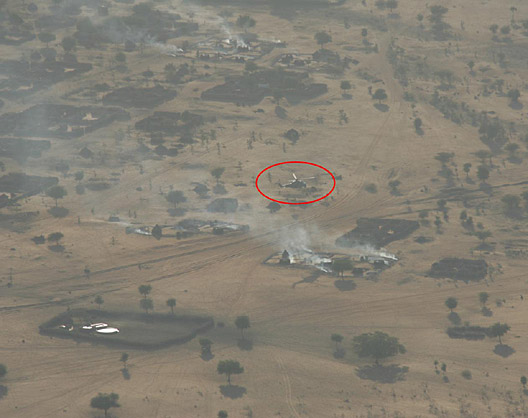
KASSAB, Sudan Refugees in the camps scattered across Darfur live in fear, saying the African Union peacekeeping mission does little to protect them even as rising violence is driving away crucial humanitarian aid.
"You have been here for three years now, and what have you done for us?" a tribal leader bitterly asked a delegation of AU soldiers and police that came to the Kassab refugee camp last week.
As they often have to do, the peacekeepers patiently explained to camp delegates that they'd come to Darfur only to monitor the violence and have no mandate to fight it.
"You are witnessing what happens, but you aren't helping," retorted Attaieb Adem, a leader of the 25,000 refugees in Kassab. Read more >>>
How Long Must the People of Darfur Wait for Meaningful Security?
By: Eric Reeves
Current timelines for deployment of an appropriate international military force to protect civilians and humanitarians imply an unconscionable gamble with hundreds of thousands of Darfuri lives
It is more than six weeks since UN humanitarian chief Jan Egeland warned the Security Council that, “[the humanitarian gains of the past two years in Darfur] can all be lost within weeks---not months. I cannot give a starker warning than to say that we are at a point where even hope may escape us and the lives of hundreds of thousands could be needlessly lost.” It is more than six weeks since the UN Security Council passed Resolution 1706, authorizing “rapid” deployment of 22,500 military and security personnel to Darfur to protect civilians and humanitarian operations, as well as to secure the border between Darfur and Chad, where violence continues to escalate dangerously. Read more >>>
Current timelines for deployment of an appropriate international military force to protect civilians and humanitarians imply an unconscionable gamble with hundreds of thousands of Darfuri lives
It is more than six weeks since UN humanitarian chief Jan Egeland warned the Security Council that, “[the humanitarian gains of the past two years in Darfur] can all be lost within weeks---not months. I cannot give a starker warning than to say that we are at a point where even hope may escape us and the lives of hundreds of thousands could be needlessly lost.” It is more than six weeks since the UN Security Council passed Resolution 1706, authorizing “rapid” deployment of 22,500 military and security personnel to Darfur to protect civilians and humanitarian operations, as well as to secure the border between Darfur and Chad, where violence continues to escalate dangerously. Read more >>>
Saving Darfur
ROCKPORT:
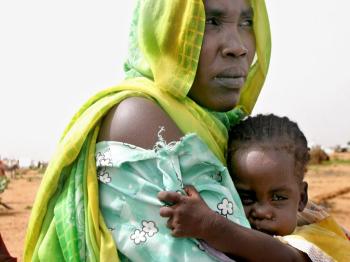
Amnesty International and the Fur Cultural Revival will present Saving Darfur on Saturday, Oct. 21, at 7 p.m., at Camden Hills Regional High School. The Fur Cultural Revival is a Portland-based organization of refugees from the Darfur region of western Sudan. Saving Darfur will include drumming, a short talk, and a 20 – minute documentary, as well as recommended actions the public can take in concert with Amnesty International's campaign to get U.N. peacekeepers on the ground in Darfur.
Darfur is the location of one of the worst humanitarian crises in the world today. Hundreds of thousands of people are believed to have lost their lives since the Darfur conflict erupted in February 2003. Systematic human rights abuses have occurred, including killing, torture, rape, looting, and the destruction of property by all parties involved. Read more >>>
Friday, October 13, 2006
Darfur Crisis
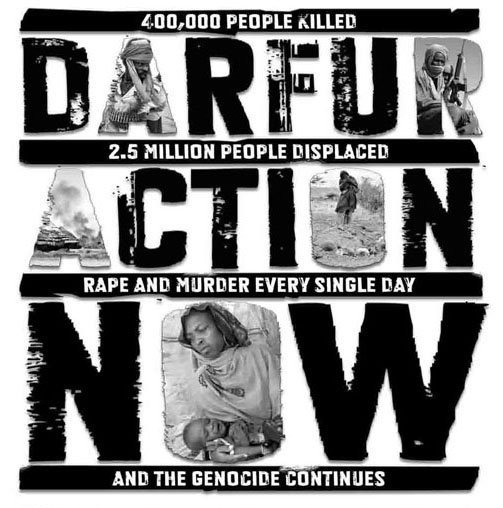
Now is the time for our President, our country, and the international community to match strong words with decisive action.
Now is the time for the President to work with Russia, China, and members of the Arab League to compel Sudan to accept a UN peacekeeping force.
Now is the time to impose a NATO-led no-fly zone over the Darfur region, expand sanctions on Sudanese government officials, freeze Sudan's assets abroad, and block its oil exports.
If these measures do not make it possible to quickly deploy a UN force and halt the genocide, a NATO-led intervention must be seriously considered.
Now is the time for leadership and bold action. Read more >>>
The Age of Impunity
Sudan’s leaders sent out a letter last week warning governments against volunteering their troops for a United Nations peacekeeping force for Darfur. Khartoum was obviously feeling cocky. But why shouldn’t it? The Security Council — or more to the point, the big powers that run the Security Council — made clear that it won’t send in troops to stop the genocide unless Sudan first agrees.
Then there’s Iran, which is still defiantly enriching uranium. And the North Koreans, who blew off the rest of the world when they blew off what they said was a nuclear weapon this week.
Welcome to the new age of impunity. Read more >>>
Then there’s Iran, which is still defiantly enriching uranium. And the North Koreans, who blew off the rest of the world when they blew off what they said was a nuclear weapon this week.
Welcome to the new age of impunity. Read more >>>
Insecurity Still Plagues Darfur
By Semantics King,Jr
Internally displaced persons (IDPs) in Sudan’s war-ravaged Darfur region enjoyed greater access to aid workers during September but the number of attacks and security incidents there also jumped in the same month, according to the latest snapshot by the United Nations’ humanitarian arm.
Internally displaced persons (IDPs) in Sudan’s war-ravaged Darfur region enjoyed greater access to aid workers during September but the number of attacks and security incidents there also jumped in the same month, according to the latest snapshot by the United Nations’ humanitarian arm.
According to an overview of Sudan's Humanitarian crisis released here today by the Office for the Coordination of Humanitarian Affairs of the UN (OCHA), there is an increase in attacks on aid workers’ vehicles, from hijackings and ambushes to acts of looting. Read more >>>
Internally displaced persons (IDPs) in Sudan’s war-ravaged Darfur region enjoyed greater access to aid workers during September but the number of attacks and security incidents there also jumped in the same month, according to the latest snapshot by the United Nations’ humanitarian arm.
Internally displaced persons (IDPs) in Sudan’s war-ravaged Darfur region enjoyed greater access to aid workers during September but the number of attacks and security incidents there also jumped in the same month, according to the latest snapshot by the United Nations’ humanitarian arm.
According to an overview of Sudan's Humanitarian crisis released here today by the Office for the Coordination of Humanitarian Affairs of the UN (OCHA), there is an increase in attacks on aid workers’ vehicles, from hijackings and ambushes to acts of looting. Read more >>>
80 Children Die Per Day in Darfur
MELLIT, Sudan - Myriam Ibrahim does not like to talk about her daughter Fawzia.
The smallest of triplet girls born in May, the infant died last month in Darfur. Now, the 28-year-old mother has just a week of powdered milk for her two remaining babies - and no idea how she will feed them afterward.
"Fawzia started having fever, then diarrhea, and then she died. It was a month ago," Ms. Ibrahim said with the soft, sad smile so common to Darfurian women as they recount their survival.
Each day in Darfur, 80 children younger than 5 die because of malnutrition, disease and generally poor living conditions created by violence in this barren region of western Sudan, the U.N. Children's Fund estimates. Read more >>>
The smallest of triplet girls born in May, the infant died last month in Darfur. Now, the 28-year-old mother has just a week of powdered milk for her two remaining babies - and no idea how she will feed them afterward.
"Fawzia started having fever, then diarrhea, and then she died. It was a month ago," Ms. Ibrahim said with the soft, sad smile so common to Darfurian women as they recount their survival.
Each day in Darfur, 80 children younger than 5 die because of malnutrition, disease and generally poor living conditions created by violence in this barren region of western Sudan, the U.N. Children's Fund estimates. Read more >>>
Thursday, October 12, 2006
Getting the UN into Darfur
Nairobi/Brussels, 12 October 2006: With Khartoum continuing to reject the expanded UN mission in Darfur, the international community must take strong economic and legal, and some new military measures to change the regime’s calculation of the costs of non-cooperation.
Getting the UN into Darfur,* the latest policy briefing from the International Crisis Group, examines ways out of the impasse over deploying a major UN peacekeeping force. Pressure on the ruling National Congress Party should include targeted sanctions on key regime figures, an investigation into the offshore accounts of its businesses, encouraging divestment campaigns, some measures against the petroleum sector, maintaining the threat of International Criminal Court prosecutions for atrocity crimes, and moving to enforce a no-fly zone over Darfur.
“There is a third way between the current approach of gentle persuasion and a full-scale, non-consensual military intervention”, says John Prendergast, Crisis Group Senior Adviser. “We need a series of economic, legal and more limited military measures that impose a cost on regime officials responsible for continuing the destruction and blocking the UN force”. Read more >>>
Getting the UN into Darfur,* the latest policy briefing from the International Crisis Group, examines ways out of the impasse over deploying a major UN peacekeeping force. Pressure on the ruling National Congress Party should include targeted sanctions on key regime figures, an investigation into the offshore accounts of its businesses, encouraging divestment campaigns, some measures against the petroleum sector, maintaining the threat of International Criminal Court prosecutions for atrocity crimes, and moving to enforce a no-fly zone over Darfur.
“There is a third way between the current approach of gentle persuasion and a full-scale, non-consensual military intervention”, says John Prendergast, Crisis Group Senior Adviser. “We need a series of economic, legal and more limited military measures that impose a cost on regime officials responsible for continuing the destruction and blocking the UN force”. Read more >>>
Darfur refugees live in fear of militias
ALFRED de MONTESQUIOU
Associated Press
FATA BORNO, Sudan - The small patrol of African Union peacekeepers were struggling with two stranded cars near this Darfur refugee camp when the Arab militiamen sped by in trucks, shouting and brandishing weapons. They were the Janjaweed, the fierce militiamen accused of raping and murdering African villagers and turning western Sudan's Darfur region into one of the world's gravest humanitarian crises.
The incident - witnessed Wednesday by a reporter for The Associated Press - shows how little the Janjaweed fear the understaffed and underfunded African Union peacekeeping force, which is supposed to monitor a cease-fire and protect civilians here.
Sudan has refused to allow the United Nations to send in peacekeepers to replace the AU force and protect civilians.
In the Wednesday incident, a half-dozen pickup trucks mounted with heavy machine guns rumbled past the small African Union peacekeeping patrol as it struggled to pull the stranded cars from a sandy riverbed.
Inside the trucks, about 50 young Arab militiamen brandished weapons such as rocket-propelled grenade launchers and automatic rifles. As they rode past, the fighters - most of them appearing to be excitable teens with scarves masking their faces - shouted and shook their fists at the stranded peacekeepers.
Janjaweed militiamen are streaming into this northern part of Darfur to support Sudanese government troops battling rebels in a new and intense outbreak of fighting. Read more >>>
Associated Press
FATA BORNO, Sudan - The small patrol of African Union peacekeepers were struggling with two stranded cars near this Darfur refugee camp when the Arab militiamen sped by in trucks, shouting and brandishing weapons. They were the Janjaweed, the fierce militiamen accused of raping and murdering African villagers and turning western Sudan's Darfur region into one of the world's gravest humanitarian crises.
The incident - witnessed Wednesday by a reporter for The Associated Press - shows how little the Janjaweed fear the understaffed and underfunded African Union peacekeeping force, which is supposed to monitor a cease-fire and protect civilians here.
Sudan has refused to allow the United Nations to send in peacekeepers to replace the AU force and protect civilians.
In the Wednesday incident, a half-dozen pickup trucks mounted with heavy machine guns rumbled past the small African Union peacekeeping patrol as it struggled to pull the stranded cars from a sandy riverbed.
Inside the trucks, about 50 young Arab militiamen brandished weapons such as rocket-propelled grenade launchers and automatic rifles. As they rode past, the fighters - most of them appearing to be excitable teens with scarves masking their faces - shouted and shook their fists at the stranded peacekeepers.
Janjaweed militiamen are streaming into this northern part of Darfur to support Sudanese government troops battling rebels in a new and intense outbreak of fighting. Read more >>>
SA urges Sudan to accept UN force in Darfur
The Sudanese government must be convinced to accept the deployment of a United Nations force in its war-torn western region of Darfur, South Africa said on Thursday.
"All efforts must continue to be made to try to convince the government of Sudan that it is in the interests of everybody that we blue-hat the African Union forces," Deputy Minister of Foreign Affairs Aziz Pahad told reporters in Cape Town.
"A major contingent can be Africa, but without it becoming a UN force we believe that the necessary support and even the technological assistance will not be forthcoming."
Pahad said few countries would be willing to commit troops to a UN force that did not have the Sudanese government's consent, "because that would mean, as some groups had warned, that they will then declare war against the UN forces that are there". Read more >>>
"All efforts must continue to be made to try to convince the government of Sudan that it is in the interests of everybody that we blue-hat the African Union forces," Deputy Minister of Foreign Affairs Aziz Pahad told reporters in Cape Town.
"A major contingent can be Africa, but without it becoming a UN force we believe that the necessary support and even the technological assistance will not be forthcoming."
Pahad said few countries would be willing to commit troops to a UN force that did not have the Sudanese government's consent, "because that would mean, as some groups had warned, that they will then declare war against the UN forces that are there". Read more >>>
Tuesday, October 10, 2006
Rebels, Sudan forces clash in Darfur
By ALFRED de MONTESQUIOU Associated Press Writer
KUTUM, Sudan — Intense fighting has erupted in the northern part of Darfur with hundreds of rebels and Sudanese government troops wounded or captured in clashes this week near the border with Chad, international observers said Tuesday.
The Sudanese air force is bombing villages in rebel-controlled areas north of the regional capital of El Fasher, the international groups said. The number of civilian casualties in these bombings is not known, the United Nations mission in Sudan said. The Sudanese military on Tuesday denied the bombings were continuing. Read more >>>
KUTUM, Sudan — Intense fighting has erupted in the northern part of Darfur with hundreds of rebels and Sudanese government troops wounded or captured in clashes this week near the border with Chad, international observers said Tuesday.
The Sudanese air force is bombing villages in rebel-controlled areas north of the regional capital of El Fasher, the international groups said. The number of civilian casualties in these bombings is not known, the United Nations mission in Sudan said. The Sudanese military on Tuesday denied the bombings were continuing. Read more >>>
UN Condemns Massive Upsurge in Rape in Darfur
New York
Violence against women and children by warring groups in Darfur is reaching alarming levels. Extreme violence has been a feature of the civil conflict since it erupted in 2003. However, in the past months, attacks on women and girls, both within and outside camps for the displaced, have soared. Read more >>>
Violence against women and children by warring groups in Darfur is reaching alarming levels. Extreme violence has been a feature of the civil conflict since it erupted in 2003. However, in the past months, attacks on women and girls, both within and outside camps for the displaced, have soared. Read more >>>
Nigeria's Obasanjo warns of Darfur genocide
By Tsegaye Tadesse
ADDIS ABABA, Oct 10 (Reuters) - Nigerian President Olusegun Obasanjo warned of a possible genocide in the Darfur region on Tuesday, as cash-strapped African peacekeepers struggle to stem the violence in Sudan's remote west.
Nigeria is the largest troop contributing nation to the African Union (AU) force in Darfur, which is caught in an international diplomatic tug-of-war over a U.N. takeover of the peacekeeping mission.
"It is not in the interest of Sudan nor in the interest of Africa nor indeed in the interest of the world for us all to stand by and see genocide being developed in Darfur," Obasanjo said in a speech at the AU headquarters in Addis Ababa.
The AU has been a diplomatic ally to Sudan, at odds with the United Nations over the past two years because of the rape, murder and pillage in its remote Darfur region which has forced 2.5 million people from their homes into wretched camps. Read more >>>
ADDIS ABABA, Oct 10 (Reuters) - Nigerian President Olusegun Obasanjo warned of a possible genocide in the Darfur region on Tuesday, as cash-strapped African peacekeepers struggle to stem the violence in Sudan's remote west.
Nigeria is the largest troop contributing nation to the African Union (AU) force in Darfur, which is caught in an international diplomatic tug-of-war over a U.N. takeover of the peacekeeping mission.
"It is not in the interest of Sudan nor in the interest of Africa nor indeed in the interest of the world for us all to stand by and see genocide being developed in Darfur," Obasanjo said in a speech at the AU headquarters in Addis Ababa.
The AU has been a diplomatic ally to Sudan, at odds with the United Nations over the past two years because of the rape, murder and pillage in its remote Darfur region which has forced 2.5 million people from their homes into wretched camps. Read more >>>
Saturday, October 07, 2006
Rwanda, UN discuss bolstering AU forces in Darfur
(KIGALI) —
The Rwandan president discussed with a UN envoy ways to boost African Union peacekeeping forces in Sudan war-torn Darfur region. The envoy said he still optimist that Sudan would accept UN takeover.
Paul Kagame and United Nations Secretary-General Kofi Annan’s special advisor on genocide prevention, Juan Mendez, Wednesday discussed how to bolster the African Union (AU) forces in Darfur, reported the Rwandan newspaper the New Times. Read more >>>
The Rwandan president discussed with a UN envoy ways to boost African Union peacekeeping forces in Sudan war-torn Darfur region. The envoy said he still optimist that Sudan would accept UN takeover.
Paul Kagame and United Nations Secretary-General Kofi Annan’s special advisor on genocide prevention, Juan Mendez, Wednesday discussed how to bolster the African Union (AU) forces in Darfur, reported the Rwandan newspaper the New Times. Read more >>>
Background on the Genocide in Darfur, Sudan
History of the conflict with recent updates and developments
The conflict in the Darfur Region of Sudan began in February of 2003. At least 400,000 people have been killed; more than 2.5 million civilians are displaced. They now live in displaced-persons camps in Sudan or in refugee camps in neighboring Chad; and more than 3.5 million men, women, and children are completely reliant on international aid for survival, some of which isn’t able to reach areas in Darfur. Women are raped and tortured and innocent civillians lack the most basic protection.
The Sudanese armed forces and Sudanese government-backed militia known as “Janjaweed” have been fighting two rebel groups in Darfur, the Sudanese Liberation Army/Movement (SLA/SLM) and the Justice and Equality Movement (JEM). The stated political aim of the rebels has been to compel the government of Sudan to address underdevelopment and the political marginalization of the region. In response, the Sudanese government’s regular armed forces and the Janjaweed – largely composed of fighters of Arab nomadic background – have targeted civilian populations and ethnic group from which the rebels primarily draw their support – the Fur, Masalit and Zaghawa. Read more >>>
The conflict in the Darfur Region of Sudan began in February of 2003. At least 400,000 people have been killed; more than 2.5 million civilians are displaced. They now live in displaced-persons camps in Sudan or in refugee camps in neighboring Chad; and more than 3.5 million men, women, and children are completely reliant on international aid for survival, some of which isn’t able to reach areas in Darfur. Women are raped and tortured and innocent civillians lack the most basic protection.
The Sudanese armed forces and Sudanese government-backed militia known as “Janjaweed” have been fighting two rebel groups in Darfur, the Sudanese Liberation Army/Movement (SLA/SLM) and the Justice and Equality Movement (JEM). The stated political aim of the rebels has been to compel the government of Sudan to address underdevelopment and the political marginalization of the region. In response, the Sudanese government’s regular armed forces and the Janjaweed – largely composed of fighters of Arab nomadic background – have targeted civilian populations and ethnic group from which the rebels primarily draw their support – the Fur, Masalit and Zaghawa. Read more >>>
Jailed for 34 days, Tribune reporter writes: What I saw in Darfur
By Paul Salopek
Jailed for 34 days, Tribune reporter writes: What I saw in Darfur
Humanitarian catastrophe poised to grow worse in weeks ahead
One cloudless Sunday morning in early August, while traveling on a desert road in the remote Darfur region of western Sudan, a teenager sporting dreadlocks and an AK-47 rifle stopped my vehicle. My translator, Suleiman Abakar Moussa, stepped out and offered the youth a cigarette--standard etiquette in African war zones. But Moussa immediately returned to the car, frowning.
In this incidental way, I learned that we had just lost our freedom.
The young gunman belonged to a pro-government militia. And his patrol, after beating us and stealing our car and equipment, handed us over to Sudanese military intelligence. Moussa, my driver, Idriss Abdulrahman Anu, and I spent the next 34 days behind bars in Darfur, ending up hostage to a regime accused of mass murder. The government in Khartoum charged us with espionage, spreading "false news" and entering Africa's latest killing field without a visa.
It was hard not to feel, however, that our real crime was unspoken: reporting on a humanitarian catastrophe that is largely invisible to the outside world, and that is poised to grow worse in the weeks ahead. Read more >>>
Jailed for 34 days, Tribune reporter writes: What I saw in Darfur
Humanitarian catastrophe poised to grow worse in weeks ahead
One cloudless Sunday morning in early August, while traveling on a desert road in the remote Darfur region of western Sudan, a teenager sporting dreadlocks and an AK-47 rifle stopped my vehicle. My translator, Suleiman Abakar Moussa, stepped out and offered the youth a cigarette--standard etiquette in African war zones. But Moussa immediately returned to the car, frowning.
In this incidental way, I learned that we had just lost our freedom.
The young gunman belonged to a pro-government militia. And his patrol, after beating us and stealing our car and equipment, handed us over to Sudanese military intelligence. Moussa, my driver, Idriss Abdulrahman Anu, and I spent the next 34 days behind bars in Darfur, ending up hostage to a regime accused of mass murder. The government in Khartoum charged us with espionage, spreading "false news" and entering Africa's latest killing field without a visa.
It was hard not to feel, however, that our real crime was unspoken: reporting on a humanitarian catastrophe that is largely invisible to the outside world, and that is poised to grow worse in the weeks ahead. Read more >>>
Friday, October 06, 2006
More than 80 infants die each day in Darfur: UN
ASSOCIATED PRESS
MELLIT, Sudan — Myriam Ibrahim does not like to talk about her daughter Fawzia.
The smallest of triplet girls born in May, the infant died last month in Darfur. Now, the 29-year-old mother has just a week of powdered milk for her two remaining babies — and no idea how she will feed them afterward.
"Fawzia started having fever, then diarrhea, and then she died. It was a month ago," Ibrahim said with the soft, sad smile so common to Darfurian women as they recount their survival.
Each day in Darfur, 80 children under age five die because of malnutrition, disease and generally poor living conditions created by violence in this barren region of western Sudan, the UN Children's Fund estimates.
When Ibrahim gave birth to her triplets in May, stress and lack of food left her with no milk of her own for her daughters. Read more >>>
MELLIT, Sudan — Myriam Ibrahim does not like to talk about her daughter Fawzia.
The smallest of triplet girls born in May, the infant died last month in Darfur. Now, the 29-year-old mother has just a week of powdered milk for her two remaining babies — and no idea how she will feed them afterward.
"Fawzia started having fever, then diarrhea, and then she died. It was a month ago," Ibrahim said with the soft, sad smile so common to Darfurian women as they recount their survival.
Each day in Darfur, 80 children under age five die because of malnutrition, disease and generally poor living conditions created by violence in this barren region of western Sudan, the UN Children's Fund estimates.
When Ibrahim gave birth to her triplets in May, stress and lack of food left her with no milk of her own for her daughters. Read more >>>
UNHCR Deeply Concerned About Plight of IDP's in Darfur
Geneva --
There are about 24 million internally displaced people around the world. More than two million are in Sudan's conflict-ridden province of Darfur.
The U.N. High Commissioner for Refugees, Antonio Guterres, says the people of Darfur have no protection under international law, because they are not refugees who have crossed international borders. He says, as internally displaced, they are under the authority of the State, and this limits what international aid agencies can do.
"How terrible it is for us, humanitarian workers, not to be able to deliver effective protection to internally displaced people in Darfur because of the prevailing security circumstances and the massive violations of human rights," he said. Read more >>>
There are about 24 million internally displaced people around the world. More than two million are in Sudan's conflict-ridden province of Darfur.
The U.N. High Commissioner for Refugees, Antonio Guterres, says the people of Darfur have no protection under international law, because they are not refugees who have crossed international borders. He says, as internally displaced, they are under the authority of the State, and this limits what international aid agencies can do.
"How terrible it is for us, humanitarian workers, not to be able to deliver effective protection to internally displaced people in Darfur because of the prevailing security circumstances and the massive violations of human rights," he said. Read more >>>
Sudan tries to intimidate UN troop contributors
(UNITED NATIONS) — The United States demanded on Thursday that the U.N. Security Council respond to Sudan’s warning that any nation pledging U.N. troops for Darfur was committing a "hostile act" and a "prelude to an invasion."
U.S. Ambassador John Bolton, who called for a special closed-door council session, said he expected the 15-member body to react later in the day to what he called Khartoum’s attempt to intimidate potential troop contributors.
Sudan’s U.N. mission sent an unsigned letter to dozens of states, many of whom attended a meeting on Sept. 25 on troop and police contributions to a future U.N. force in Darfur. Sudan has rejected such a force. Read more >>>
U.S. Ambassador John Bolton, who called for a special closed-door council session, said he expected the 15-member body to react later in the day to what he called Khartoum’s attempt to intimidate potential troop contributors.
Sudan’s U.N. mission sent an unsigned letter to dozens of states, many of whom attended a meeting on Sept. 25 on troop and police contributions to a future U.N. force in Darfur. Sudan has rejected such a force. Read more >>>
Darfur's Aid Operations in Jeopardy, Warns Annan
Sudan's war-torn region of Darfur has reached a critical stage, with humanitarian groups at risk of withdrawing or drastically reducing their operations unless security conditions improve rapidly, Secretary-General Kofi Annan warns in his latest report to the Security Council.
Reviewing events during August, Mr. Annan says the months since the striking of the Darfur Peace Agreement (DPA) in May have been disastrous, with signatories and non-signatories breaching their obligations under that and other accords. Read more >>>
Reviewing events during August, Mr. Annan says the months since the striking of the Darfur Peace Agreement (DPA) in May have been disastrous, with signatories and non-signatories breaching their obligations under that and other accords. Read more >>>
Annan Sounds Alarm Over Crisis in Darfur
By NICK WADHAMS
Darfur is creeping ever closer to catastrophe, with rape and violence on the rise, U.N. Secretary-General Kofi Annan said in a report Thursday, as the country warned that any nation offering troops for a future peacekeeping force would be committing a "hostile act."
In the report to the Security Council, Annan said a May peace deal was not being followed, and that humanitarian access is at its lowest level since 2004. Sudan's armed forces, as well as rebel factions and the militias, continue to violate international human rights law and humanitarian law with impunity, he said.
"It has now been three months since the Darfur peace agreement was signed," Annan wrote. "However, instead of reconciliation and building of trust, we are witnessing intensified violence and deeper polarization. The region is again on the brink of a catastrophic situation." Read more >>>
Darfur is creeping ever closer to catastrophe, with rape and violence on the rise, U.N. Secretary-General Kofi Annan said in a report Thursday, as the country warned that any nation offering troops for a future peacekeeping force would be committing a "hostile act."
In the report to the Security Council, Annan said a May peace deal was not being followed, and that humanitarian access is at its lowest level since 2004. Sudan's armed forces, as well as rebel factions and the militias, continue to violate international human rights law and humanitarian law with impunity, he said.
"It has now been three months since the Darfur peace agreement was signed," Annan wrote. "However, instead of reconciliation and building of trust, we are witnessing intensified violence and deeper polarization. The region is again on the brink of a catastrophic situation." Read more >>>
Thursday, October 05, 2006
Crying out for safety
1. Introduction
The people of Darfur are crying out for security. Thousands of civilians have been killed, tortured and raped, and hundreds of thousands have been forcibly displaced since 2003. Even as the government of Sudan resists the deployment of international peacekeepers in Darfur, it has launched a new military offensive in the region. Civilians are being killed in aerial bombardments and ground attacks by government forces and Janjawid militia.
The government of Sudan has recently launched a major military offensive, the scale of which Darfur has not witnessed for over a year. The Darfur Peace Agreement of May 2006 was supposed to herald a new era of peace. Instead it has opened up a new conflict, pitting the government and its allies against the non-signatories. Signed by only the government of Sudan, one faction of the opposition Sudan Liberation Army (SLA) led by Minni Minawi, and a few individual commanders from other factions, it was not signed by key opposition groups and factions. Read more >>>
The people of Darfur are crying out for security. Thousands of civilians have been killed, tortured and raped, and hundreds of thousands have been forcibly displaced since 2003. Even as the government of Sudan resists the deployment of international peacekeepers in Darfur, it has launched a new military offensive in the region. Civilians are being killed in aerial bombardments and ground attacks by government forces and Janjawid militia.
The government of Sudan has recently launched a major military offensive, the scale of which Darfur has not witnessed for over a year. The Darfur Peace Agreement of May 2006 was supposed to herald a new era of peace. Instead it has opened up a new conflict, pitting the government and its allies against the non-signatories. Signed by only the government of Sudan, one faction of the opposition Sudan Liberation Army (SLA) led by Minni Minawi, and a few individual commanders from other factions, it was not signed by key opposition groups and factions. Read more >>>
Aid workers in Darfur persevere against violence and suspicion
EL SALLAM CAMP, Sudan Tribal leaders gathered in tense silence in a straw hut at Darfur's El Sallam camp, facing international aid workers who'd come to broker an agreement between the refugees and a Sudanese aid group that residents wanted to bar from the camp.
Clad in flowing white cotton robes and turbans, the tribal leaders gave a long list of reasons to prevent aid workers from Siha, a Sudanese non-governmental organization, from coming anywhere near the camp.
"How can we trust that they aren't spies for the government," said one representative of the refugees Wednesday, recalling that the Sudanese army had chased his people from their villages more than two years ago.
Some 80,000 refugees survive in El Sallam and the nearby camp of Abu Shouk, a cluster of huts, mud brick houses and tents that sprawls on the outskirts of the capital of North Darfur state, El Fasher. They are among 2.5 million people made homeless by three years of fighting between Khartoum and rebel groups in the vast, arid Darfur region of western Sudan. Read more >>>
Clad in flowing white cotton robes and turbans, the tribal leaders gave a long list of reasons to prevent aid workers from Siha, a Sudanese non-governmental organization, from coming anywhere near the camp.
"How can we trust that they aren't spies for the government," said one representative of the refugees Wednesday, recalling that the Sudanese army had chased his people from their villages more than two years ago.
Some 80,000 refugees survive in El Sallam and the nearby camp of Abu Shouk, a cluster of huts, mud brick houses and tents that sprawls on the outskirts of the capital of North Darfur state, El Fasher. They are among 2.5 million people made homeless by three years of fighting between Khartoum and rebel groups in the vast, arid Darfur region of western Sudan. Read more >>>
Wednesday, October 04, 2006
Darfur: if not now, when?
By NORMAN L. EPSTEIN
The world is teetering shamefully toward a diminished humanity unless we stop the senseless slaughter in Sudan. For more than three years in Darfur, the government of Sudan and its proxy militias have attacked African villages with impunity, causing the death of some 400,000 people and leaving almost three million languishing in internally displaced persons camps.
Despite the government’s adamant denial, there is a credible paper trail indicting many in the upper echelons of the Khartoum regime for orchestrating this genocide. In fact, last year, a UN fact-finding mission found many of these influential government members should be tried for crimes against humanity at the International Criminal Court in The Hague. Perversely, we continue to negotiate with the Sudanese government for an international force to intervene, as though they are part of the solution, when in fact, they are the source of the problem. Read more >>>
The world is teetering shamefully toward a diminished humanity unless we stop the senseless slaughter in Sudan. For more than three years in Darfur, the government of Sudan and its proxy militias have attacked African villages with impunity, causing the death of some 400,000 people and leaving almost three million languishing in internally displaced persons camps.
Despite the government’s adamant denial, there is a credible paper trail indicting many in the upper echelons of the Khartoum regime for orchestrating this genocide. In fact, last year, a UN fact-finding mission found many of these influential government members should be tried for crimes against humanity at the International Criminal Court in The Hague. Perversely, we continue to negotiate with the Sudanese government for an international force to intervene, as though they are part of the solution, when in fact, they are the source of the problem. Read more >>>
Rape risk spirals for Darfur women
By Karen Allen
BBC News, Kutum
Hawa was raped in broad daylight, the way it often happens here in northern Darfur.
Daily tasks, like collecting firewood, have become dangerous for women
Clutching a baby to her breast, she relived her ordeal from Kassab camp which is sanctuary to more than 20,000 people displaced by Darfur's bloody conflict.
"I left the camp with two other girls, to get grass for the donkeys," she remembers.
"Along the way we met more than four men with guns. One of them grabbed my arms and another one grabbed my legs. They said they would kill me if I didn't co-operate." Read more >>>
BBC News, Kutum
Hawa was raped in broad daylight, the way it often happens here in northern Darfur.
Daily tasks, like collecting firewood, have become dangerous for women
Clutching a baby to her breast, she relived her ordeal from Kassab camp which is sanctuary to more than 20,000 people displaced by Darfur's bloody conflict.
"I left the camp with two other girls, to get grass for the donkeys," she remembers.
"Along the way we met more than four men with guns. One of them grabbed my arms and another one grabbed my legs. They said they would kill me if I didn't co-operate." Read more >>>
Tuesday, October 03, 2006
Saving Darfur with force
There's only one language Khartoum understands and that is the credible threat of force, write a trio of U.S. foreign policy experts in a commentary for The Washington Post.
Susan Rice of the Brookings Institution, former U.S. national security adviser Anthony Lake and Democratic representative Donald Payne urge military action against Khartoum if Sudan fails to allow the deployment of U.N. peacekeepers. If Washington doesn't secure U.N. support for this action, it should act alone, just as it did in Kosovo in 1999, they say.
"Will we use force to save Africans in Darfur as we did to save Europeans in Kosovo?" Rice, Lake and Payne ask. Read more >>>
Susan Rice of the Brookings Institution, former U.S. national security adviser Anthony Lake and Democratic representative Donald Payne urge military action against Khartoum if Sudan fails to allow the deployment of U.N. peacekeepers. If Washington doesn't secure U.N. support for this action, it should act alone, just as it did in Kosovo in 1999, they say.
"Will we use force to save Africans in Darfur as we did to save Europeans in Kosovo?" Rice, Lake and Payne ask. Read more >>>
Monday, October 02, 2006
Rescue the life of prominent Darfur peace negotiator

Abulgasem Ahmad Abulgasem, a political opponent of the Sudanese government, prominent figure in Abuja Peace Negotiations and member of a faction of the Sudan Liberation Army, was arrested by the Saudi Arabian security forces on 26 September at his home in Jeddah, Saudi Arabia, where he lived for 28 years.
The reason for his arrest is unclear but is believed to be connected to a speech in which he criticized the Sudanese government at the Sudanese Embassy prior to his arrest.
According to our source, Abulgasim was already deported on Saudi Arabia Airlines flight 453 from Jeddah to Kartoum, at 18:50 local time. His life is at imminent risk of torture and unfair trial if not at great danger of being sentenced to death.
- Name: Abulgasem Ahmed Abulgasem
- Date and place of birth: Kutum, Darfur 1950
- Social status: Married with four children
- Occupation: Engineer
- Place of current residence: Jeddah Saudi Arabia, for 28 Years
- Date and place of arrest: Jeddah, Tuesday September 26, 2006
- Photo: see attachemenet
The people of Darfur are deeply concerned about the life of Abulgasem and are confident that EU, UN, Human Rights Watch and other rights groups will exert maximum effort to help the release of Abulgasem.
Bush Says U.N. Should Not Wait on Darfur
By The Associated Press
MORE FROM SECTION WASHINGTON (AP) - President Bush said Monday the United Nations should send a peacekeeping force to the troubled Darfur region of Sudan as soon as possible without further delay.
"The United Nations can play an important role in helping us achieve our objective, which is to end human suffering and deprivation," Bush said as he dispatched special envoy Andrew Natsios to the region. "In my view, the United Nations should not wait any longer ... ."
The Sudanese government has thus far resisted mounting international pressure to accept a U.N. peacekeeping force in Darfur. Bush contends the U.N. should deploy such a force anyway.
Natsios said he had been going to Sudan for 17 years and "I know leaders in all regions of the country and I'm going to use those contacts and that history to move this process along." Read more >>>
MORE FROM SECTION WASHINGTON (AP) - President Bush said Monday the United Nations should send a peacekeeping force to the troubled Darfur region of Sudan as soon as possible without further delay.
"The United Nations can play an important role in helping us achieve our objective, which is to end human suffering and deprivation," Bush said as he dispatched special envoy Andrew Natsios to the region. "In my view, the United Nations should not wait any longer ... ."
The Sudanese government has thus far resisted mounting international pressure to accept a U.N. peacekeeping force in Darfur. Bush contends the U.N. should deploy such a force anyway.
Natsios said he had been going to Sudan for 17 years and "I know leaders in all regions of the country and I'm going to use those contacts and that history to move this process along." Read more >>>
US military action urged against Sudan
From correspondents in Washington
TWO former senior US officials and a sitting congressman called today for the US to lead military strikes against Sudan if Khartoum persists in its refusal to allow UN peacekeepers into its Darfur region.
"It's time to get tough with Sudan," Anthony Lake, who served as president Bill Clinton's National Security Adviser, former assistant secretary of state for Africa Susan Rice and Democratic representative Donald Payne wrote in an opinion piece in today's Washington Post.
The three said Sudan President Omar al-Beshir's Arab-led government had launched a major new offensive against rebels in Darfur, threatening to unleash a "second wave of genocide" against the region's ethnic African population.
"After three years of fruitless negotiation and feckless rhetoric, it's time to go beyond unenforced UN resolutions to a new kind of resolution: the firm resolve to act," they said. Read more >>>
TWO former senior US officials and a sitting congressman called today for the US to lead military strikes against Sudan if Khartoum persists in its refusal to allow UN peacekeepers into its Darfur region.
"It's time to get tough with Sudan," Anthony Lake, who served as president Bill Clinton's National Security Adviser, former assistant secretary of state for Africa Susan Rice and Democratic representative Donald Payne wrote in an opinion piece in today's Washington Post.
The three said Sudan President Omar al-Beshir's Arab-led government had launched a major new offensive against rebels in Darfur, threatening to unleash a "second wave of genocide" against the region's ethnic African population.
"After three years of fruitless negotiation and feckless rhetoric, it's time to go beyond unenforced UN resolutions to a new kind of resolution: the firm resolve to act," they said. Read more >>>
Friday, September 29, 2006
U.N. experts recommend Sudan sanctions
NICK WADHAMS
UNITED NATIONS - A panel of experts has recommended that the Security Council impose sanctions on Sudanese President Omar al-Bashir and other top government officials, Qatar's U.N. ambassador said Friday.
The experts sent the list to the Security Council with an Aug. 31 report that found all sides in the Darfur conflict continue to commit "blatant violations" of a council arms embargo.
The names on the list have not been made public. But the Qatari Ambassador Nassir Al-Nassir said "top people in the government" were on it and charged that the experts were trying to spoil the peace process. Asked to elaborate, he made clear that al-Bashir was on the list. Read more >>>
UNITED NATIONS - A panel of experts has recommended that the Security Council impose sanctions on Sudanese President Omar al-Bashir and other top government officials, Qatar's U.N. ambassador said Friday.
The experts sent the list to the Security Council with an Aug. 31 report that found all sides in the Darfur conflict continue to commit "blatant violations" of a council arms embargo.
The names on the list have not been made public. But the Qatari Ambassador Nassir Al-Nassir said "top people in the government" were on it and charged that the experts were trying to spoil the peace process. Asked to elaborate, he made clear that al-Bashir was on the list. Read more >>>
EU's Barroso heads to Sudan to press U.N. mission
By Ingrid Melander
BRUSSELS, Sept 29 (Reuters) - European Commission President Jose Manuel Barroso and a top EU aid official will go to Sudan this weekend to try to convince Khartoum to allow U.N. peacekeepers into Darfur.
Fighting between militias, government forces and rebel groups in Darfur has killed an estimated 200,000 people and displaced 2.5 million others since early 2003. A 7,000-strong African Union force has been unable to stop the violence.
The Sudanese government has repeatedly rebuffed a United Nations offer to send 22,000 U.N. peacekeepers to replace the AU force, whose mission has been extended until Dec. 31, 2006. Read more >>>
BRUSSELS, Sept 29 (Reuters) - European Commission President Jose Manuel Barroso and a top EU aid official will go to Sudan this weekend to try to convince Khartoum to allow U.N. peacekeepers into Darfur.
Fighting between militias, government forces and rebel groups in Darfur has killed an estimated 200,000 people and displaced 2.5 million others since early 2003. A 7,000-strong African Union force has been unable to stop the violence.
The Sudanese government has repeatedly rebuffed a United Nations offer to send 22,000 U.N. peacekeepers to replace the AU force, whose mission has been extended until Dec. 31, 2006. Read more >>>
Actor Clooney, father see firsthand refugees in haunting Darfur region
By Nick Clooney
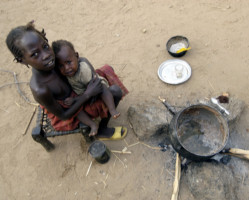
CINCINNATI, Ohio (St. Anthony Messenger) – "IT’S RACISM and I can prove it.” The man’s face was dark, seamed and weathered; his desert clothing snowy white, his eyes steady.
We were sitting inside a half-tent in a refugee camp called Oure’ Cassoni, in the northeast corner of Chad. It is home to 29,000 people driven from their villages.
Chad borders Africa’s largest country, Sudan. Just a few miles from the camp is a region of Sudan bearing a name that is haunting the world’s conscience: Darfur.
The man to whom I spoke is one of two million Darfuris who have been driven from their villages, their homes burned, tens of thousands of them butchered, raped, tortured, beaten, their cattle killed or stolen, their wells poisoned – sometimes with the bodies of those who have been killed. Read more >>>
GELDOF: 'WE MUST DO SOMETHING ABOUT DARFUR'
SIR BOB GELDOF
SIR BOB GELDOF is desperately urging the world's superpowers to put their weight behind the crisis in Darfur in a bid to halt the violence. The rocker-turned-activist slammed China for continuing to provide arms to Sudan's "thuggish" Khartoum government, which is, in turn, refusing to allow United Nations peacekeepers to enter the troubled country.
He says, "(The world is) slow stepping into watching two million people die in front of us on the six o'clock news every night. "The reality is that in another age perhaps America and Britain could have intervened but they can't now, possibly because of the Middle East.
"The Arab League are absolutely pathetic and supine. They seem to think it's within their remit to allow two million of their fellow co-religionists to die in a massacre. "The Khartoum government are thugs and tyrants. They are supported by the Chinese who take six per cent of their oil out of Sudan, which is 60 per cent of Sudanese oil production - and therefore will not allow (measures to get through) the Security Council. "I think we really have a right to insist upon an intervention through the United Nations". Read more >>>
SIR BOB GELDOF is desperately urging the world's superpowers to put their weight behind the crisis in Darfur in a bid to halt the violence. The rocker-turned-activist slammed China for continuing to provide arms to Sudan's "thuggish" Khartoum government, which is, in turn, refusing to allow United Nations peacekeepers to enter the troubled country.
He says, "(The world is) slow stepping into watching two million people die in front of us on the six o'clock news every night. "The reality is that in another age perhaps America and Britain could have intervened but they can't now, possibly because of the Middle East.
"The Arab League are absolutely pathetic and supine. They seem to think it's within their remit to allow two million of their fellow co-religionists to die in a massacre. "The Khartoum government are thugs and tyrants. They are supported by the Chinese who take six per cent of their oil out of Sudan, which is 60 per cent of Sudanese oil production - and therefore will not allow (measures to get through) the Security Council. "I think we really have a right to insist upon an intervention through the United Nations". Read more >>>
Combat force with deadly power is needed in Darfur
By AUSTIN BAY
The demonstrators had extraordinary moral credibility.
Last week in Kigali, Rwanda, survivors of the 1994 Rwanda genocide called on the United Nations and world leaders to act to end the continuing genocide in Sudan's western Darfur region.
"We survivors stand with the victims in Darfur," Rwandan Freddy Umutanguha told The Irish Independent. "We know what it is like to lose our mothers, fathers, brothers, sisters, sons and daughters." Read more >>>
The demonstrators had extraordinary moral credibility.
Last week in Kigali, Rwanda, survivors of the 1994 Rwanda genocide called on the United Nations and world leaders to act to end the continuing genocide in Sudan's western Darfur region.
"We survivors stand with the victims in Darfur," Rwandan Freddy Umutanguha told The Irish Independent. "We know what it is like to lose our mothers, fathers, brothers, sisters, sons and daughters." Read more >>>
Tuesday, September 26, 2006
Words inadequate to stop killing in Darfur
By TRUDY RUBIN
As world leaders gather at the United Nations for the opening of the 61st General Assembly, the shadow of Darfur hangs over them all.
Last week, from the U.N. podium, President Bush again labeled the slaughter of hundreds of thousands of civilians in Darfur a genocide. Yet the killing, conducted by Sudanese government forces and militias, is intensifying.
Sudan is blocking a proposed U.N. peacekeeping force of 20,000, which would have strengthened an unarmed observer force from the African Union. Read more >>>
As world leaders gather at the United Nations for the opening of the 61st General Assembly, the shadow of Darfur hangs over them all.
Last week, from the U.N. podium, President Bush again labeled the slaughter of hundreds of thousands of civilians in Darfur a genocide. Yet the killing, conducted by Sudanese government forces and militias, is intensifying.
Sudan is blocking a proposed U.N. peacekeeping force of 20,000, which would have strengthened an unarmed observer force from the African Union. Read more >>>
UN scrambles for troops for future Darfur force
By Evelyn Leopold
UNITED NATIONS (Reuters) - The United Nations got its first pledges of troops for a proposed peacekeeping force in Sudan's Darfur region at a meeting on Monday of 49 potential contributing nations.
Participants at the closed-door session said Norway had offered 250 logistics experts and together with Sweden, a battalion of engineers. Tanzania, Nigeria and Bangladesh pledged infantry soldiers.
But the force, approved by the U.N. Security Council, is still on paper only, with its goal of 22,500 soldiers and police. There is also no sign that Sudan's government will allow the United Nations to take over the African Union operation in Darfur. Read more >>>
UNITED NATIONS (Reuters) - The United Nations got its first pledges of troops for a proposed peacekeeping force in Sudan's Darfur region at a meeting on Monday of 49 potential contributing nations.
Participants at the closed-door session said Norway had offered 250 logistics experts and together with Sweden, a battalion of engineers. Tanzania, Nigeria and Bangladesh pledged infantry soldiers.
But the force, approved by the U.N. Security Council, is still on paper only, with its goal of 22,500 soldiers and police. There is also no sign that Sudan's government will allow the United Nations to take over the African Union operation in Darfur. Read more >>>
Monday, September 25, 2006
UN Rights Monitors Accuse Sudan of Bombing Darfur Villages
VOA
United Nations monitors say the Sudanese military is indiscriminately bombing villages in the north Darfur region, killing and injuring scores of civilians.
A spokesman, Jose Diaz, for the U.N. High Commissioner on Human Rights says Friday government bombing raids have forced hundreds of civilians in north Darfur to flee their homes. He says a new report shows the government is waging a campaign against rebel groups who have not signed a peace agreement. Read more >>>
United Nations monitors say the Sudanese military is indiscriminately bombing villages in the north Darfur region, killing and injuring scores of civilians.
A spokesman, Jose Diaz, for the U.N. High Commissioner on Human Rights says Friday government bombing raids have forced hundreds of civilians in north Darfur to flee their homes. He says a new report shows the government is waging a campaign against rebel groups who have not signed a peace agreement. Read more >>>
How to Save Darfur
By PETER BEINART
Genocide comes at inconvenient times. In 1994, the Clinton Administration was reeling from Somalia--a country it had fled after the deaths of 18 U.S. troops. So America watched as Rwanda's genocidaires murdered nearly 1 million people in 100 days. And then everyone began feeling bad. Bill Clinton flew to Rwanda to apologize. After reading an article about the genocide, George W. Bush reportedly scribbled, "Not on my watch!"
In hindsight, stopping genocide is easy. But in Darfur, where it is happening now, stopping genocide is brutally hard. A contingent of 7,000 African Union peacekeepers currently patrol the Texas-size chunk of western Sudan where government-backed militias are busy exterminating the non-Arab population. The African soldiers are decent and brave, but they are engaged in a sham. The militias menace villagers in front of the peacekeepers' eyes; Sudan's government steals the fuel they need to fly their planes. In the words of U.N. envoy Jan Pronk, "The people on the ground are just laughing."
In spite of a Security Council resolution approving a larger, tougher U.N. peacekeeping force, the government of Sudan refuses to allow Blue Helmets on its soil. Read more >>>
Genocide comes at inconvenient times. In 1994, the Clinton Administration was reeling from Somalia--a country it had fled after the deaths of 18 U.S. troops. So America watched as Rwanda's genocidaires murdered nearly 1 million people in 100 days. And then everyone began feeling bad. Bill Clinton flew to Rwanda to apologize. After reading an article about the genocide, George W. Bush reportedly scribbled, "Not on my watch!"
In hindsight, stopping genocide is easy. But in Darfur, where it is happening now, stopping genocide is brutally hard. A contingent of 7,000 African Union peacekeepers currently patrol the Texas-size chunk of western Sudan where government-backed militias are busy exterminating the non-Arab population. The African soldiers are decent and brave, but they are engaged in a sham. The militias menace villagers in front of the peacekeepers' eyes; Sudan's government steals the fuel they need to fly their planes. In the words of U.N. envoy Jan Pronk, "The people on the ground are just laughing."
In spite of a Security Council resolution approving a larger, tougher U.N. peacekeeping force, the government of Sudan refuses to allow Blue Helmets on its soil. Read more >>>
Sunday, September 24, 2006
Despite pressure, Sudan resists UN force
United Nations -
Sudan faces escalating world pressure in coming weeks to reverse its dogged opposition to the dispatch of a large United Nations force in war-torn Darfur where UN officials are warning of a worsening humanitarian crisis.
Spearheading the pressure is Washington, with US Secretary of State Condoleezza Rice warning on Friday that "time is running out" to prevent an all-out Sudanese government onslaught against die-hard Darfur rebels.
"The violence in Darfur must end, and it must end now," she told a special ministerial meeting of two dozen nations plus the European Union and the United Nations in New York on the sidelines of the UN General Assembly. Read more >>>
Sudan faces escalating world pressure in coming weeks to reverse its dogged opposition to the dispatch of a large United Nations force in war-torn Darfur where UN officials are warning of a worsening humanitarian crisis.
Spearheading the pressure is Washington, with US Secretary of State Condoleezza Rice warning on Friday that "time is running out" to prevent an all-out Sudanese government onslaught against die-hard Darfur rebels.
"The violence in Darfur must end, and it must end now," she told a special ministerial meeting of two dozen nations plus the European Union and the United Nations in New York on the sidelines of the UN General Assembly. Read more >>>
Saturday, September 23, 2006
On Darfur, the world is all talk
By TRUDY RUBIN
Philadelphia Inquirer
As world leaders gather at the United Nations for the opening of the 61st General Assembly, the shadow of Darfur hangs over them all.
Tuesday, from the U.N. podium, President Bush again labeled the slaughter of hundreds of thousands of civilians in Darfur a genocide. Yet the killing, conducted by Sudanese government forces and militias, is intensifying.
Sudan is blocking a proposed U.N. peacekeeping force of 20,000, which would have strengthened an unarmed observer force from the African Union. The 7,000 Africans are now set to leave by year’s end, depriving 2 million Darfurian refugees of their last shred of protection.
Presidents and premiers can drone on about the world’s responsibility to stop such atrocities, but the Sudanese government is making them look like fools. Read more >>>
Philadelphia Inquirer
As world leaders gather at the United Nations for the opening of the 61st General Assembly, the shadow of Darfur hangs over them all.
Tuesday, from the U.N. podium, President Bush again labeled the slaughter of hundreds of thousands of civilians in Darfur a genocide. Yet the killing, conducted by Sudanese government forces and militias, is intensifying.
Sudan is blocking a proposed U.N. peacekeeping force of 20,000, which would have strengthened an unarmed observer force from the African Union. The 7,000 Africans are now set to leave by year’s end, depriving 2 million Darfurian refugees of their last shred of protection.
Presidents and premiers can drone on about the world’s responsibility to stop such atrocities, but the Sudanese government is making them look like fools. Read more >>>
U.S. calls emergency session as Darfur killing goes on
NEW YORK (AP) -
Violence is getting worse in Darfur despite international peace efforts, and Sudan's central government can no longer resist the world's will to send in peace forces, Secretary of State Condoleezza Rice said Friday.
"Time is running out," the top U.S. diplomat told participants in an emergency international meeting on the three-year-old conflict in the African nation.
Rice called the meeting of about two dozen nations and international organizations on the sidelines of the United Nations opening session to push for a stronger international peace force despite objections from Sudan's government.
The U.N. Security Council passed a resolution last month that would expand the mission from 7,000 to more than 20,000 troops and give it new authority to protect civilians. Read more >>>
Violence is getting worse in Darfur despite international peace efforts, and Sudan's central government can no longer resist the world's will to send in peace forces, Secretary of State Condoleezza Rice said Friday.
"Time is running out," the top U.S. diplomat told participants in an emergency international meeting on the three-year-old conflict in the African nation.
Rice called the meeting of about two dozen nations and international organizations on the sidelines of the United Nations opening session to push for a stronger international peace force despite objections from Sudan's government.
The U.N. Security Council passed a resolution last month that would expand the mission from 7,000 to more than 20,000 troops and give it new authority to protect civilians. Read more >>>
Friday, September 22, 2006
US Rice Says UN 'Must Take Action' To Save Lives In Darfur
NEW YORK (AP)--
Violence is getting worse in Darfur despite international peace efforts, and Sudan's central government can no longer resist the world's will to send in peace forces, Secretary of State Condoleezza Rice said Friday.
"Time is running out," the top U.S. diplomat told participants in an emergency international meeting on the three-year-old conflict in the African nation.
Rice called the meeting on the sidelines of the U.N. opening session to push for a stronger international peace force despite objections from Sudan's government.
The U.N. Security Council passed a resolution last month that would expand the mission from 7,000 to more than 20,000 troops and give it new authority to protect civilians. Read more >>>
Violence is getting worse in Darfur despite international peace efforts, and Sudan's central government can no longer resist the world's will to send in peace forces, Secretary of State Condoleezza Rice said Friday.
"Time is running out," the top U.S. diplomat told participants in an emergency international meeting on the three-year-old conflict in the African nation.
Rice called the meeting on the sidelines of the U.N. opening session to push for a stronger international peace force despite objections from Sudan's government.
The U.N. Security Council passed a resolution last month that would expand the mission from 7,000 to more than 20,000 troops and give it new authority to protect civilians. Read more >>>
Sudan: Government Aircraft Indiscriminately Bomb Darfur Villages
UN Monitors Report
The Sudanese Government's military campaign against rebels in the north Darfur region is causing hardship to civilians due mainly to indiscriminate aerial bombardments on villages, the United Nations Office of the High Commissioner for Human Rights (OHCHR) said today, citing UN rights volunteers and monitors in Sudan.
For example, an estimated 400 new internally displaced persons had arrived in the Rwanda camp in North Darfur, fleeing attacks which took place on 9 and 10 September around Tabarat, OHCHR spokesman José Luis Díaz told a news briefing in Geneva, noting that the Government was targeting rebels who did not join a peace agreement earlier this year. Read more >>>
The Sudanese Government's military campaign against rebels in the north Darfur region is causing hardship to civilians due mainly to indiscriminate aerial bombardments on villages, the United Nations Office of the High Commissioner for Human Rights (OHCHR) said today, citing UN rights volunteers and monitors in Sudan.
For example, an estimated 400 new internally displaced persons had arrived in the Rwanda camp in North Darfur, fleeing attacks which took place on 9 and 10 September around Tabarat, OHCHR spokesman José Luis Díaz told a news briefing in Geneva, noting that the Government was targeting rebels who did not join a peace agreement earlier this year. Read more >>>
Thursday, September 21, 2006
The 'responsibility to protect' Darfuris
By Lee Feinstein International Herald Tribune
Kofi Annan reminded world leaders on Tuesday of the pledge they made last year to "protect populations from genocide, war crimes, ethnic cleansing and crimes against humanity." The question now is whether this pledge was humanitarian hypocrisy, or did they have something serious in mind?
For most of its history, the UN General Assembly has been the place where states are represented as formal equals, and where criticism of a government's human-rights practices could be deflected with a wink and a reference to the Charter's Article 2, which bars interference "in matters which are essentially within the domestic jurisdiction of any state." Read more >>>
Kofi Annan reminded world leaders on Tuesday of the pledge they made last year to "protect populations from genocide, war crimes, ethnic cleansing and crimes against humanity." The question now is whether this pledge was humanitarian hypocrisy, or did they have something serious in mind?
For most of its history, the UN General Assembly has been the place where states are represented as formal equals, and where criticism of a government's human-rights practices could be deflected with a wink and a reference to the Charter's Article 2, which bars interference "in matters which are essentially within the domestic jurisdiction of any state." Read more >>>
Genocide on Bush's watch
Editorial:
Shortly after he assumed the presidency, George W. Bush reviewed a report on the Rwandan genocide of the 1990s. In the margin, he wrote, "Not on my watch."
Now, all indications are that a genocide of dramatically greater proportions could play out in the Sudan's Darfur region. As many as 3.5 million innocent civilians, the vast majority of them refugees, face extermination by forces aligned with the Sudanese government. The crime of the people of Darfur is their ethnicity, which is not that of the ruling elites in the Sudan.
Bush has taken some appropriate steps. Addressing the United Nations this week, he challenged world leaders to act quickly to get a functional peacekeeping force into the region. A weak force, dispatched by African governments, got some relief Wednesday in a deal that will give it some U.N. support if it stays on through the year. Bush is right that a stronger force eventually must be sent to the region.Read more >>>
Shortly after he assumed the presidency, George W. Bush reviewed a report on the Rwandan genocide of the 1990s. In the margin, he wrote, "Not on my watch."
Now, all indications are that a genocide of dramatically greater proportions could play out in the Sudan's Darfur region. As many as 3.5 million innocent civilians, the vast majority of them refugees, face extermination by forces aligned with the Sudanese government. The crime of the people of Darfur is their ethnicity, which is not that of the ruling elites in the Sudan.
Bush has taken some appropriate steps. Addressing the United Nations this week, he challenged world leaders to act quickly to get a functional peacekeeping force into the region. A weak force, dispatched by African governments, got some relief Wednesday in a deal that will give it some U.N. support if it stays on through the year. Bush is right that a stronger force eventually must be sent to the region.Read more >>>
Will they be rescued?
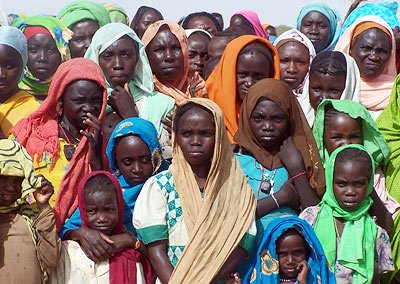
From The Economist print edition
Outsiders say that something must be done. Sudan says that it mustn't.
ON THE eve of the 61st United Nations General Assembly, 32 countries held events aimed at persuading their governments to recognise a responsibility to protect the civilians of Darfur, a threatened region in western Sudan. A rally in New York City's Central Park attracted upwards of 30,000 people who called for the speedy deployment of UN peacekeepers. The same day in Khartoum, Sudan's capital, a much smaller group of demonstrators, organised by the government, took the opposite tack. They marched to the UN's local headquarters to give warning that Security Council Resolution 1706, which had ordered 20,000-plus peacekeepers to Darfur, threatened the stability of their country.
At the UN itself, on September 19th, Sudan's president, Omar al-Bashir, agreed that the 7,000-strong contingent of African Union (AU) peacekeepers could stay, but insisted that he would not accept a UN force designed to place “Sudan under mandate, a sort of trusteeship”. The mandate of the AU force has been extended until the end of the year and the Security Council is now trying to find ways to make it less feeble. Read more >>>
Wednesday, September 20, 2006
Darfur: Where is the will?
Elvir Camdzic, John Weiss
The history of the world's response to the genocide in Darfur has been a sad tale of calculated naivete, self-deception, pious platitudes, constructive engagement with genocidaires, conscious adoption of ineffective policies and diversionary strategies such as "awareness-raising," divestment and fundraising for humanitarian aid.
The would-be rescuers of Darfur -- politicians, diplomats and activists alike -- kept espousing the rhetoric of ultimate causes while practicing the art of minimum risk. They all deplored genocide, but refused to take the risks necessary to stop it. None of them cared enough to put their nonviolent purity or their clean-solution sainthood on the line. Read more >>>
The history of the world's response to the genocide in Darfur has been a sad tale of calculated naivete, self-deception, pious platitudes, constructive engagement with genocidaires, conscious adoption of ineffective policies and diversionary strategies such as "awareness-raising," divestment and fundraising for humanitarian aid.
The would-be rescuers of Darfur -- politicians, diplomats and activists alike -- kept espousing the rhetoric of ultimate causes while practicing the art of minimum risk. They all deplored genocide, but refused to take the risks necessary to stop it. None of them cared enough to put their nonviolent purity or their clean-solution sainthood on the line. Read more >>>
Darfur can't wait
Last week, actor George Clooney described a recent trip to the crisis-torn region of Darfur in Sudan. A little girl pulled his finger, he said, and asked when he would be back. When he replied "soon," she giggled and told him: "That's what you always say."
Out of the mouth of babes, the saying goes, often comes the truth.
On Tuesday, speaking to the opening of the United Nations General Assembly in New York, President Bush announced he was appointing a high-level envoy, Andrew Natsios, to lead a new push to end more than three years of slaughter and mass displacements in Darfur. The little girl set the only meaningful test: Will it be yet another hollow gesture? Read more >>>
Out of the mouth of babes, the saying goes, often comes the truth.
On Tuesday, speaking to the opening of the United Nations General Assembly in New York, President Bush announced he was appointing a high-level envoy, Andrew Natsios, to lead a new push to end more than three years of slaughter and mass displacements in Darfur. The little girl set the only meaningful test: Will it be yet another hollow gesture? Read more >>>
'West ignoring Darfur conflict'
Johannesburg - African security experts blasted the West on Wednesday for ignoring conflicts on the continent, especially the dragging crisis in Sudan's Darfur region, to focus on the war on terror.
"Darfur has been on the table for a long time now and at least 200 000 people have been displaced," said Festus Aboagye, who heads the peace missions programme at the Pretoria-based institute for security studies.
"Do you need a million people to die before the international community moves in?" said Aboagye.
"Genocide should not be used as the justification for intervention". Read more >>>
"Darfur has been on the table for a long time now and at least 200 000 people have been displaced," said Festus Aboagye, who heads the peace missions programme at the Pretoria-based institute for security studies.
"Do you need a million people to die before the international community moves in?" said Aboagye.
"Genocide should not be used as the justification for intervention". Read more >>>
Tuesday, September 19, 2006
Two Weeks After UN Security Council "Acts" on Darfur: Diplomatic Paralysis
Khartoum’s military offensive accelerates, humanitarian operations are in “freefall,” civilians continue to die in ever-greater numbers
Eric Reeves
September 14, 2006
The cataclysm of human suffering and destruction in Darfur continues to grow, with no end or even mitigation in prospect. The Khartoum regime is currently accelerating its vast military offensives in North Darfur and eastern Jebel Marra, with large-scale civilian casualties and displacement. Evidence of deliberate, ethnically-targeted human destruction---particularly among the Fur communities---is reported almost daily. At the same time, Khartoum continues to defy the international community, adamantly refuses to accept the peacekeeping force specified in UN Security Council Resolution 1706 (August 31, 2006), and insists that a crumbling and demoralized African Union observer mission may accept neither a UN mandate nor UN Department of Peacekeeping Operations funding.
For its part, China has made emphatically clear, as has the Arab League, that no UN force can deploy without Khartoum’s consent, ensuring that the accommodating language of Resolution 1706 (guaranteeing that Khartoum’s claims of national sovereignty will not be “affected” by the resolution) paralyzes any further UN action. And indeed, since passage of the US-British-sponsored resolution two weeks ago, there has been nothing but exhortation.
This paralysis continues even as humanitarian assistance is, according to Jan Egeland, in “freefall”:
“‘In many ways we are in a freefall in Darfur at the moment,’ UN humanitarian chief Jan Egeland [said]. Read more >>>
Eric Reeves
September 14, 2006
The cataclysm of human suffering and destruction in Darfur continues to grow, with no end or even mitigation in prospect. The Khartoum regime is currently accelerating its vast military offensives in North Darfur and eastern Jebel Marra, with large-scale civilian casualties and displacement. Evidence of deliberate, ethnically-targeted human destruction---particularly among the Fur communities---is reported almost daily. At the same time, Khartoum continues to defy the international community, adamantly refuses to accept the peacekeeping force specified in UN Security Council Resolution 1706 (August 31, 2006), and insists that a crumbling and demoralized African Union observer mission may accept neither a UN mandate nor UN Department of Peacekeeping Operations funding.
For its part, China has made emphatically clear, as has the Arab League, that no UN force can deploy without Khartoum’s consent, ensuring that the accommodating language of Resolution 1706 (guaranteeing that Khartoum’s claims of national sovereignty will not be “affected” by the resolution) paralyzes any further UN action. And indeed, since passage of the US-British-sponsored resolution two weeks ago, there has been nothing but exhortation.
This paralysis continues even as humanitarian assistance is, according to Jan Egeland, in “freefall”:
“‘In many ways we are in a freefall in Darfur at the moment,’ UN humanitarian chief Jan Egeland [said]. Read more >>>
World marches to save Darfur
With demonstrations in 40 countries yesterday, pressure is mounting on Sudan to allow in peacekeepers and end a conflict in which 300,000 people have died
By Steve Bloomfield
Survivors of the 1994 Rwandan genocide marched through the streets of Kigali yesterday, calling for the world to take action to end the slaughter in Darfur. They were joined by hundreds of thousands of protesters in more than 40 countries around the world - many of whom wore blue hats to symbolise support for a United Nations peacekeeping force to enter the troubled Sudanese region. Read more >>>
By Steve Bloomfield
Survivors of the 1994 Rwandan genocide marched through the streets of Kigali yesterday, calling for the world to take action to end the slaughter in Darfur. They were joined by hundreds of thousands of protesters in more than 40 countries around the world - many of whom wore blue hats to symbolise support for a United Nations peacekeeping force to enter the troubled Sudanese region. Read more >>>
Monday, September 18, 2006

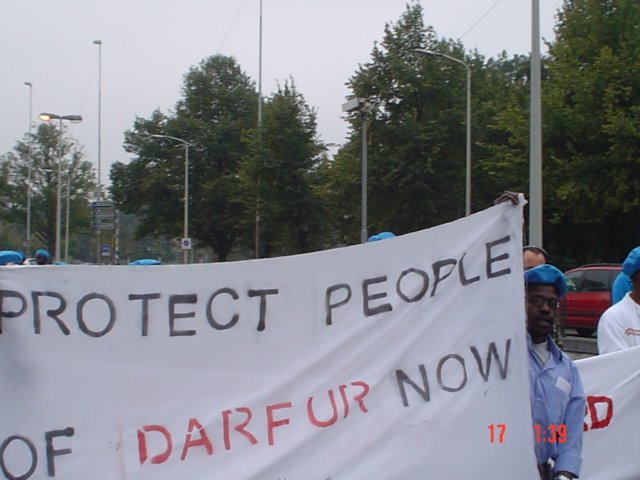

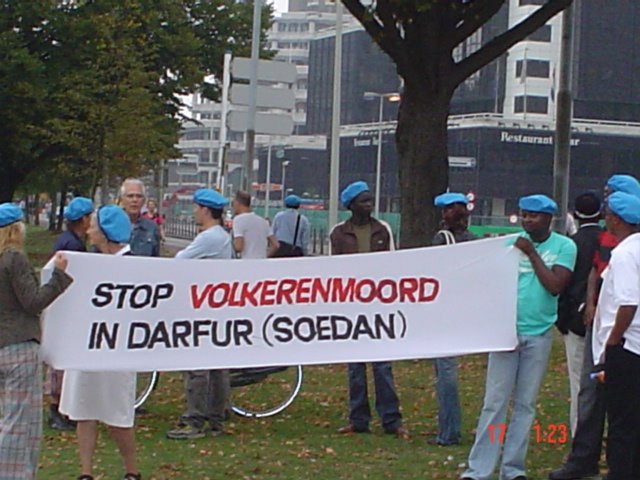
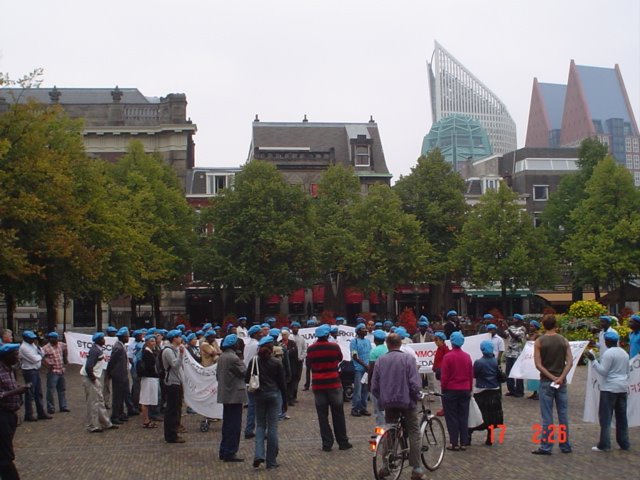
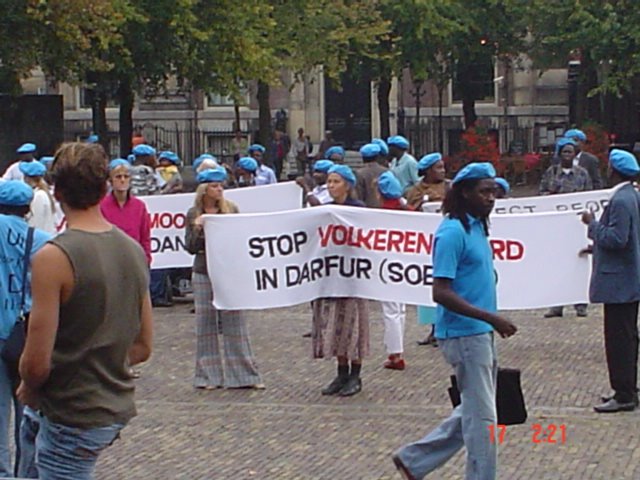


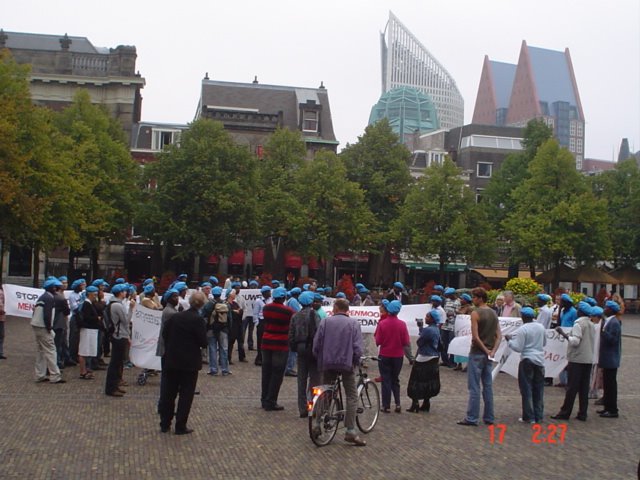
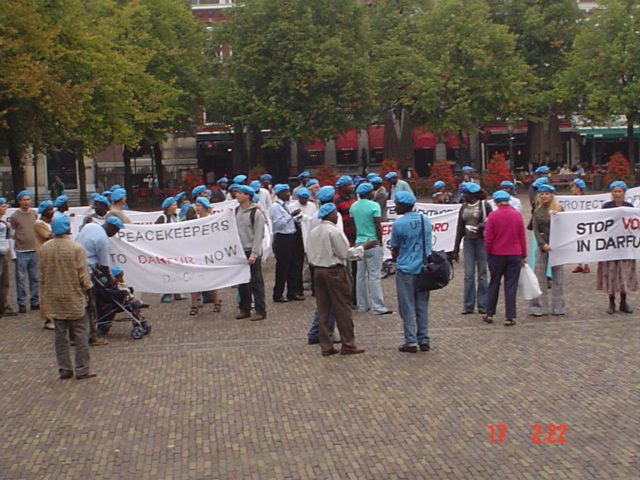
Sunday, September 17, 2006

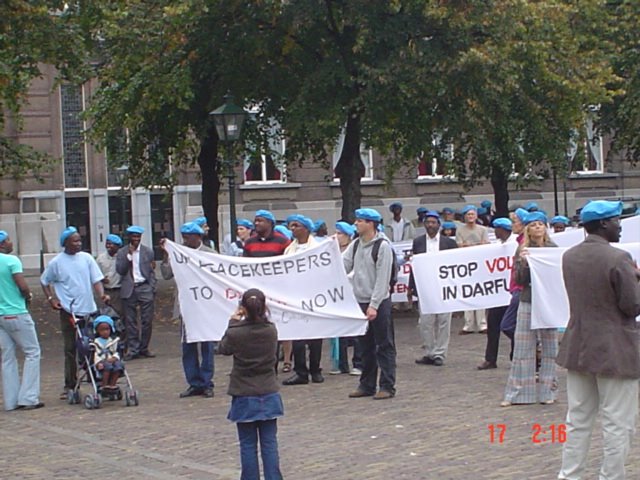


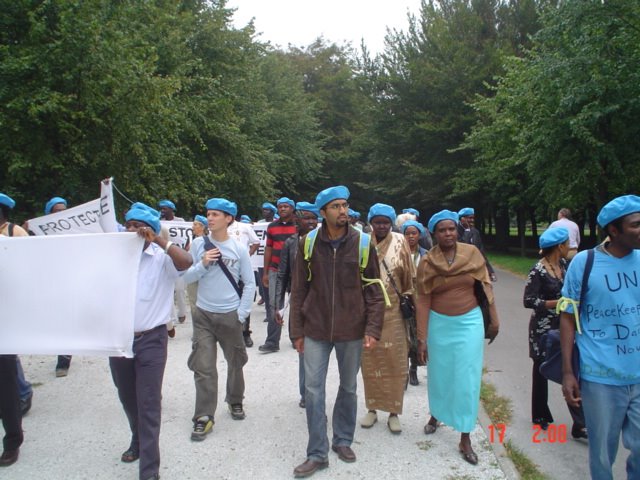
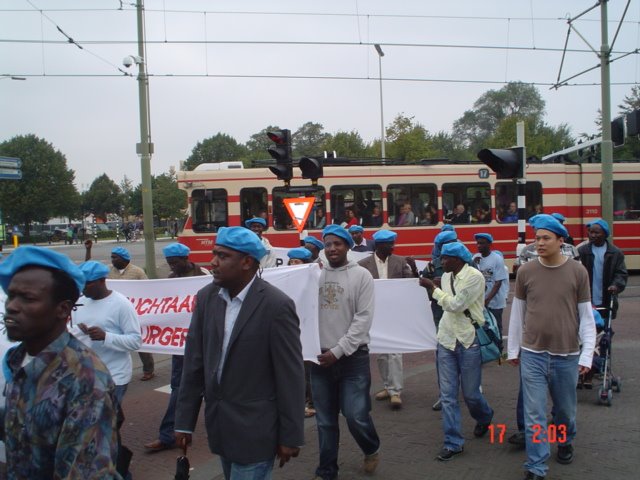
Tuesday, September 12, 2006
The Hague: Global Day for Darfur Rally 17/09/06
The Hague, The Netherlands
What: demonstration
When: September 17th, 2006
Time: 13:00 to 17:00
Where: From The Hague Central Station to The Parliament building. Moving to EU headquarters and the foreign ministry are among the options.
Organizers: Darfur Call and other activists and humanitarian organizations.
Contact details:
- Abdelhadi +31 640805797
- Iklas +31 626502035
- Ahmed +31 642330058
Further info: www.darfurcall.org
contact@darfurcall.org
darfurcall@gmail.com
About: A rally will start at The Hague Central Station and move to the parliament. It may potentially continue to the EU head quarters in The Netherlands and the foreign ministry.
What: demonstration
When: September 17th, 2006
Time: 13:00 to 17:00
Where: From The Hague Central Station to The Parliament building. Moving to EU headquarters and the foreign ministry are among the options.
Organizers: Darfur Call and other activists and humanitarian organizations.
Contact details:
- Abdelhadi +31 640805797
- Iklas +31 626502035
- Ahmed +31 642330058
Further info: www.darfurcall.org
contact@darfurcall.org
darfurcall@gmail.com
About: A rally will start at The Hague Central Station and move to the parliament. It may potentially continue to the EU head quarters in The Netherlands and the foreign ministry.
Rice presses Sudan to accept U.N.
WASHINGTON (CNN) -- U.S. Secretary of State Condoleezza Rice said Monday she pressed Sudan's government to accept a U.N. force in the war-torn region of Darfur, warning improved U.S. relations depended on it.
Rice met Monday with Sudanese Foreign Minister Lam Akol before leaving for a two-day trip to Canada.
Speaking to reporters aboard her plane, Rice suggested Khartoum remained opposed to such a force.
"I won't say that we made progress but I will say that I delivered the strongest possible message in the strongest possible terms to the Sudanese government that any hope for bettering relations between the United States and the Sudan rests on Sudan's cooperation," she said.
Rice said that Akol, in their meeting, "brought hopes for better relations between the United States and Sudan, and I told him in no uncertain terms that that wasn't on the agenda unless the Sudan acted responsibly." Read more >>>
Rice met Monday with Sudanese Foreign Minister Lam Akol before leaving for a two-day trip to Canada.
Speaking to reporters aboard her plane, Rice suggested Khartoum remained opposed to such a force.
"I won't say that we made progress but I will say that I delivered the strongest possible message in the strongest possible terms to the Sudanese government that any hope for bettering relations between the United States and the Sudan rests on Sudan's cooperation," she said.
Rice said that Akol, in their meeting, "brought hopes for better relations between the United States and Sudan, and I told him in no uncertain terms that that wasn't on the agenda unless the Sudan acted responsibly." Read more >>>
Annan Again Seeks Darfur Intervention
By NICK WADHAMS
UNITED NATIONS - U.N. Secretary-General Kofi Annan and members of the U.N. Security Council took turns Monday demanding swift intervention to ease the mounting humanitarian crisis in Darfur, but the Sudanese government again resisted a U.N. peacekeeping force.
The morning-long council meeting was intended to renew pressure on Sudan to allow the U.N. to take over an African Union peacekeeping force that has been unable to stop the violence in the western Darfur region. But Sudan's President Omar al-Bashir says the switch would violate the country's sovereignty and has warned that his army would fight any U.N. forces sent to Darfur. Read more >>>
UNITED NATIONS - U.N. Secretary-General Kofi Annan and members of the U.N. Security Council took turns Monday demanding swift intervention to ease the mounting humanitarian crisis in Darfur, but the Sudanese government again resisted a U.N. peacekeeping force.
The morning-long council meeting was intended to renew pressure on Sudan to allow the U.N. to take over an African Union peacekeeping force that has been unable to stop the violence in the western Darfur region. But Sudan's President Omar al-Bashir says the switch would violate the country's sovereignty and has warned that his army would fight any U.N. forces sent to Darfur. Read more >>>
Sunday, September 10, 2006
Khartoum's Ultimatum to the African Union: "Leave or Stay on Our Terms"
The National Islamic Front regime has engineered the military conditions ensuring a security collapse in Darfur
By: Eric Reeves
The ongoing collapse of almost all civilian and humanitarian security in Darfur is the context in which we must understand the significance of Khartoum’s unrelenting opposition to a large and robustly mandated UN peace support operation for the region. It is also the context in which we must understand Khartoum’s very recent and quite explicit ultimatum to a crumbling African Union force, which presently stands as the only international security presence in Darfur:
“If you wish to stay in Darfur beyond September 30, 2006, then you must agree to do so without being converted to or incorporated into a UN peace support operation. If you do not agree to these terms, then you must leave. Moreover, if you decide to stay, then you must agree that future financing will come from our coffers here in Khartoum and those of the Arab League.” Read more >>>
By: Eric Reeves
The ongoing collapse of almost all civilian and humanitarian security in Darfur is the context in which we must understand the significance of Khartoum’s unrelenting opposition to a large and robustly mandated UN peace support operation for the region. It is also the context in which we must understand Khartoum’s very recent and quite explicit ultimatum to a crumbling African Union force, which presently stands as the only international security presence in Darfur:
“If you wish to stay in Darfur beyond September 30, 2006, then you must agree to do so without being converted to or incorporated into a UN peace support operation. If you do not agree to these terms, then you must leave. Moreover, if you decide to stay, then you must agree that future financing will come from our coffers here in Khartoum and those of the Arab League.” Read more >>>
CRISIS IN SUDAN
A focus on Darfur:
WHERE: Darfur is a region in western Sudan, one of Africa’s largest countries.
THE CRISIS: Government-supported Arabic militiamen are terrorizing ethnic Africans who are trying to assert their independence.
THE TOLL: About 200,000 people are believed to have died since 2003.
REFUGEES: Several million people have been displaced, many fleeing to refugee camps in the neighboring country of Chad.
ACCUSATIONS OF ETHNIC CLEANSING
After years of civil war, the most recent crisis began about 3½ years ago when ethnic African rebel groups began seeking more autonomy in the Darfur region.
In retaliation, the coalition Sudanese government has been accused of unleashing Arab militiamen known as janjaweed. The janjaweed covet ethnic Africans’ land and herds and have been blamed for widespread atrocities against the ethnic Africans, including rapes and killings.
Despite a May peace deal signed by the government and one of the three ethnic African rebel groups, the violence seems to be increasing, observers say. And refugee camps are swelling with people afraid to return home. Read more >>>
WHERE: Darfur is a region in western Sudan, one of Africa’s largest countries.
THE CRISIS: Government-supported Arabic militiamen are terrorizing ethnic Africans who are trying to assert their independence.
THE TOLL: About 200,000 people are believed to have died since 2003.
REFUGEES: Several million people have been displaced, many fleeing to refugee camps in the neighboring country of Chad.
ACCUSATIONS OF ETHNIC CLEANSING
After years of civil war, the most recent crisis began about 3½ years ago when ethnic African rebel groups began seeking more autonomy in the Darfur region.
In retaliation, the coalition Sudanese government has been accused of unleashing Arab militiamen known as janjaweed. The janjaweed covet ethnic Africans’ land and herds and have been blamed for widespread atrocities against the ethnic Africans, including rapes and killings.
Despite a May peace deal signed by the government and one of the three ethnic African rebel groups, the violence seems to be increasing, observers say. And refugee camps are swelling with people afraid to return home. Read more >>>
Saturday, September 09, 2006
History repeats itself as West turns blind eye to plight of Darfur
A former UN peacekeeper speaks out as Khartoum-backed rape and murder stir up memories of unchecked ethnic cleansing in Rwanda
FIVE years ago, in a visionary cascade of words designed to rally hearts and minds for a better world, Tony Blair declared: “If Rwanda happened again, we would have a moral duty to act.”
Two years later, Rwanda did “happen again”, this time in the huge Darfur region of western Sudan. The country’s Arab government and its Nazi-style brownshirt militia, the so-called Janjaweed (“armed men on horseback”), began slaying and raping black African Sudanese citizens. It didn’t matter that they shared the Muslim faith of the country’s leadership – they did not share the ethnicity.
The US administration and human rights organisations classified the slaughter as genocide, and nigh on everyone agreed that something must be done. It wasn’t until May this year, when a peace agreement of extreme fragility was signed by the Sudanese government and one of Darfur’s three rebel groups, that the world’s great nations, including Tony Blair’s Britain, could finally relax and hope they had been relieved of their “moral duty to act”. Read more >>>
FIVE years ago, in a visionary cascade of words designed to rally hearts and minds for a better world, Tony Blair declared: “If Rwanda happened again, we would have a moral duty to act.”
Two years later, Rwanda did “happen again”, this time in the huge Darfur region of western Sudan. The country’s Arab government and its Nazi-style brownshirt militia, the so-called Janjaweed (“armed men on horseback”), began slaying and raping black African Sudanese citizens. It didn’t matter that they shared the Muslim faith of the country’s leadership – they did not share the ethnicity.
The US administration and human rights organisations classified the slaughter as genocide, and nigh on everyone agreed that something must be done. It wasn’t until May this year, when a peace agreement of extreme fragility was signed by the Sudanese government and one of Darfur’s three rebel groups, that the world’s great nations, including Tony Blair’s Britain, could finally relax and hope they had been relieved of their “moral duty to act”. Read more >>>
In Darfur, Terror From the Air
Sudan Intensifies Use of Helicopter Gunships and Bombs, Driving More Villagers From Their Homes
By Craig Timberg
Washington Post Foreign Service
EL FASHER, Sudan, Sept. 8 -- Yagoub Mustafa, 45, could not easily mimic the "whoop whoop whoop, boom! boom! boom!" of two helicopter gunships that fired rockets into the huts in his Darfur village. He tried to make the noises, but they were not loud enough, or terrifying enough.
But the horror he experienced that July afternoon, while he crouched low under a tree with his sobbing sons, daughters and nephews pressed against him, was more easily expressed: Mustafa thought they all were going to die, he said. And as he offered soothing words to the children, he begged for rescue in a silent prayer.
Please God help us. We need your mercy. Read more >>>
Sudanese Leaders May Be Held Responsible For Darfur Tragedy
U.N. Secretary-General Kofi Annan has warned Sudan’s leaders they could be held responsible for the suffering and death in Darfur if they refuse to allow U.N. peacekeepers into the region.
With the Security Council set to hold a debate on Darfur Monday, Secretary-General Annan expressed frustration that his attempts to persuade Sudanese leaders to accept U.N. troops in Darfur have failed. “I have been working with quite a few governments to try to get the government of Sudan to show flexibility, but we have so far not been successful. The message I have tried to get to the Sudanese government is that the international community is not coming in as an invading force, but basically to help them protect the people. If the Government had been able to do it itself, I don’t think we would be having this debate,” he said. Read more >>>
With the Security Council set to hold a debate on Darfur Monday, Secretary-General Annan expressed frustration that his attempts to persuade Sudanese leaders to accept U.N. troops in Darfur have failed. “I have been working with quite a few governments to try to get the government of Sudan to show flexibility, but we have so far not been successful. The message I have tried to get to the Sudanese government is that the international community is not coming in as an invading force, but basically to help them protect the people. If the Government had been able to do it itself, I don’t think we would be having this debate,” he said. Read more >>>
Thursday, September 07, 2006
World must not fail Darfur a fourth time
By Julie Flint
In May this year, the US deputy secretary of state, Robert Zoellick, told rebel leaders attending the Darfur peace talks, in much these words: "Sign or be damned." The United States had determined that peace could be forced, that a lasting agreement could be ordered like a plate of fries, and had set a deadline that was going to be observed come hell or high water. Only one rebel leader signed. The remainder, representing a majority of Darfurians, requested modifications to the peace agreement, but were told: "Time's up. Take it or leave it."
They left it.
Four months later, the result of this high-handed impatience is, predictably, hell. With little more than three weeks remaining before the expiry of the mandate of the African Union's 7,000-man monitoring force in Darfur, there is no agreement on the deployment of a United Nations peacekeeping force to replace it. Instead, the Sudanese government has announced a plan to deploy 26,500 of its own troops in Darfur by the end of the year and has embarked upon a new military offensive to reconquer rebel-controlled areas. Violence, rape and displacement have all increased dramatically and the UN's most senior humanitarian official, Jan Egeland, has warned that "hundreds of thousands" of Darfurians could die if the insecurity that has claimed the lives of 12 aid workers since May makes relief operations unsustainable. Read more >>>
In May this year, the US deputy secretary of state, Robert Zoellick, told rebel leaders attending the Darfur peace talks, in much these words: "Sign or be damned." The United States had determined that peace could be forced, that a lasting agreement could be ordered like a plate of fries, and had set a deadline that was going to be observed come hell or high water. Only one rebel leader signed. The remainder, representing a majority of Darfurians, requested modifications to the peace agreement, but were told: "Time's up. Take it or leave it."
They left it.
Four months later, the result of this high-handed impatience is, predictably, hell. With little more than three weeks remaining before the expiry of the mandate of the African Union's 7,000-man monitoring force in Darfur, there is no agreement on the deployment of a United Nations peacekeeping force to replace it. Instead, the Sudanese government has announced a plan to deploy 26,500 of its own troops in Darfur by the end of the year and has embarked upon a new military offensive to reconquer rebel-controlled areas. Violence, rape and displacement have all increased dramatically and the UN's most senior humanitarian official, Jan Egeland, has warned that "hundreds of thousands" of Darfurians could die if the insecurity that has claimed the lives of 12 aid workers since May makes relief operations unsustainable. Read more >>>
French FM: 'real question' whether to deploy U.N. force to Darfur despite Sudan opposition
PARIS France's foreign minister said Thursday it's a "real question" whether the United Nations should send a force into Darfur — even in the face of resistance by Sudan's government.
Philippe Douste-Blazy said he planned to visit the troubled region and meet with Sudanese officials soon, in hopes of finding a diplomatic solution to end years of deadly violence in Darfur.
He urged Sudanese authorities to accept a U.N. force for Darfur, which was called for in a Security Council resolution passed last week. It was quickly rejected by Khartoum.
"Do we go there, in spite of them?" Douste-Blazy told a news conference. "That's not on the table, nobody has asked the question like that. But it's a real question." Read more >>>
Philippe Douste-Blazy said he planned to visit the troubled region and meet with Sudanese officials soon, in hopes of finding a diplomatic solution to end years of deadly violence in Darfur.
He urged Sudanese authorities to accept a U.N. force for Darfur, which was called for in a Security Council resolution passed last week. It was quickly rejected by Khartoum.
"Do we go there, in spite of them?" Douste-Blazy told a news conference. "That's not on the table, nobody has asked the question like that. But it's a real question." Read more >>>
Darfur: Indiscriminate Bombing Warrants U.N. Sanctions
Khartoum Drops Bombs in Ongoing Offensive, Stymies Peacekeeping Efforts
By: Human Rights Watch
Sources on the ground indicate that the government of Sudan is indiscriminately bombing civilian-occupied villages in rebel-held North Darfur, Human Rights Watch said today. The bombing campaign comes as Khartoum is threatening to eject African Union peacekeepers and stymieing efforts to deploy a U.N. force to the region, and should trigger sanctions against senior Sudanese government officials.
"Government forces are bombing villages with blatant disregard for civilian lives," said Peter Takirambudde, Africa director at Human Rights Watch. "A penalty for indiscriminate bombing in Darfur is U.N. Security Council sanctions, which should be imposed now." Read more >>>
By: Human Rights Watch
Sources on the ground indicate that the government of Sudan is indiscriminately bombing civilian-occupied villages in rebel-held North Darfur, Human Rights Watch said today. The bombing campaign comes as Khartoum is threatening to eject African Union peacekeepers and stymieing efforts to deploy a U.N. force to the region, and should trigger sanctions against senior Sudanese government officials.
"Government forces are bombing villages with blatant disregard for civilian lives," said Peter Takirambudde, Africa director at Human Rights Watch. "A penalty for indiscriminate bombing in Darfur is U.N. Security Council sanctions, which should be imposed now." Read more >>>
Sudan: Stop bombing North Darfur villages - former rebels
EL FASHER, 7 September (IRIN) - Former rebels who signed a peace agreement with the government in May have denounced the new Sudanese military offensive to flush out rebel groups in North Darfur State.
"The government's own security plan for the north is motivated by hidden agendas," Col. Ali Muktar, representative of Minni Minnawi's faction of the rebel Sudan Liberation Movement/Army (SLM/A) on the African Union (AU) ceasefire commission, told IRIN on Thursday. "We do not support this plan and we do not participate in this plan.
"We urge the AU and the United Nations to urge the government to stop these military operations," he added. Read more >>>
"The government's own security plan for the north is motivated by hidden agendas," Col. Ali Muktar, representative of Minni Minnawi's faction of the rebel Sudan Liberation Movement/Army (SLM/A) on the African Union (AU) ceasefire commission, told IRIN on Thursday. "We do not support this plan and we do not participate in this plan.
"We urge the AU and the United Nations to urge the government to stop these military operations," he added. Read more >>>
Tuesday, September 05, 2006
Annan warns Sudan on Darfur aid
United Nations Secretary General Kofi Annan has warned Sudan that it will bear responsibility for any worsening of the humanitarian crisis in Darfur.
Mr Annan said Khartoum's resistance to a UN peacekeeping effort was putting at risk assistance for around 3m people.
Should aid agencies leave Darfur for lack of security, Mr Annan said, the Sudanese government would have to answer to the rest of the world.
A BBC correspondent says Mr Annan's language was unusually blunt. Read more >>>
Mr Annan said Khartoum's resistance to a UN peacekeeping effort was putting at risk assistance for around 3m people.
Should aid agencies leave Darfur for lack of security, Mr Annan said, the Sudanese government would have to answer to the rest of the world.
A BBC correspondent says Mr Annan's language was unusually blunt. Read more >>>
Heightened tension and frustration in Darfur
TAWILLA, 5 Sept 2005 (IRIN) - Where once the bunkers and razor wire of an African Union (AU) peacekeeping base dominated the plain in front of Tawilla town, now only a small water tower reveals the whereabouts of their camp, swallowed up in a sea of makeshift shelters.
The AU has been widely criticised for its limited capacity to protect millions of Darfurians caught in the crossfire of the three year-old conflict, yet few places better illustrate the crucial role its forces play in providing at least a sense of security. Read more >>>
The AU has been widely criticised for its limited capacity to protect millions of Darfurians caught in the crossfire of the three year-old conflict, yet few places better illustrate the crucial role its forces play in providing at least a sense of security. Read more >>>
Monday, September 04, 2006
Taking Genocide Personally
By Intrepid Liberal Journal
The Sudanese government acknowledges mobilizing militias after rebel attacks but denies any relationship with the Janjaweed, accused of "cleansing" black Africans covering large tracts of territory.
Darfur refugees claim the Janjaweed attack villages on horses and camels, exterminating men, raping women and stealing anything they can. Many women report being abducted by the Janjaweed and held as sex slaves. Another vile atrocity are
babies conceived from rape. Rape victims are typically told by perpetrators they want to make a "lighter baby." Read more >>>
The Sudanese government acknowledges mobilizing militias after rebel attacks but denies any relationship with the Janjaweed, accused of "cleansing" black Africans covering large tracts of territory.
Darfur refugees claim the Janjaweed attack villages on horses and camels, exterminating men, raping women and stealing anything they can. Many women report being abducted by the Janjaweed and held as sex slaves. Another vile atrocity are
babies conceived from rape. Rape victims are typically told by perpetrators they want to make a "lighter baby." Read more >>>
Darfur: Renewed fighting in different areas
Based on current estimates, the conflict that broke out in Darfur in 2003 has resulted in tens of thousands of victims and over two-million displaced and refugees
Since August 28 fighting has resumed in different locations of North Darfur, including Kukul and Gabr al-Kafud, according to a spokesman of the African Union (AU), specifying that verifications are still underway by the AU mission in the territory.
Meanwhile, Khartoum’s cabinet has decided to ask the AU to leave the western Darfur region by September 30, when its mandate expires, underlining that the mission has repeatedly claimed its incapacity to carry out its duty. Read more >>>
Since August 28 fighting has resumed in different locations of North Darfur, including Kukul and Gabr al-Kafud, according to a spokesman of the African Union (AU), specifying that verifications are still underway by the AU mission in the territory.
Meanwhile, Khartoum’s cabinet has decided to ask the AU to leave the western Darfur region by September 30, when its mandate expires, underlining that the mission has repeatedly claimed its incapacity to carry out its duty. Read more >>>
UN Peacekeeping Resolution Greeted by Khartoum's New Darfur Offensive
By Eric Reeves
Civilians and humanitarian operations will not be protected except by National Islamic Front genocidaires
On Thursday, August 31, 2006, the UN Security Council passed Resolution 1706, “inviting” the National Islamic Front regime in Khartoum to allow a large and robust UN to enter Darfur with the primary goal of protecting acutely vulnerable civilians and humanitarians. This force (between 23,000 and 24,000 troops, police, and Formed Police Units) could at the very least begin to halt the accelerating slide toward cataclysmic human destruction, destruction that UN aid chief Jan Egeland warned the Security Council on August 28, 2006 could reach to hundreds of thousands of human deaths. Read more >>>
Civilians and humanitarian operations will not be protected except by National Islamic Front genocidaires
On Thursday, August 31, 2006, the UN Security Council passed Resolution 1706, “inviting” the National Islamic Front regime in Khartoum to allow a large and robust UN to enter Darfur with the primary goal of protecting acutely vulnerable civilians and humanitarians. This force (between 23,000 and 24,000 troops, police, and Formed Police Units) could at the very least begin to halt the accelerating slide toward cataclysmic human destruction, destruction that UN aid chief Jan Egeland warned the Security Council on August 28, 2006 could reach to hundreds of thousands of human deaths. Read more >>>
UN Peacekeeping Resolution Greeted by Khartoum's New Darfur Offensive
By Eric Reeves
Civilians and humanitarian operations will not be protected except by National Islamic Front genocidaires
On Thursday, August 31, 2006, the UN Security Council passed Resolution 1706, “inviting” the National Islamic Front regime in Khartoum to allow a large and robust UN to enter Darfur with the primary goal of protecting acutely vulnerable civilians and humanitarians. This force (between 23,000 and 24,000 troops, police, and Formed Police Units) could at the very least begin to halt the accelerating slide toward cataclysmic human destruction, destruction that UN aid chief Jan Egeland warned the Security Council on August 28, 2006 could reach to hundreds of thousands of human deaths. Read more >>>
Civilians and humanitarian operations will not be protected except by National Islamic Front genocidaires
On Thursday, August 31, 2006, the UN Security Council passed Resolution 1706, “inviting” the National Islamic Front regime in Khartoum to allow a large and robust UN to enter Darfur with the primary goal of protecting acutely vulnerable civilians and humanitarians. This force (between 23,000 and 24,000 troops, police, and Formed Police Units) could at the very least begin to halt the accelerating slide toward cataclysmic human destruction, destruction that UN aid chief Jan Egeland warned the Security Council on August 28, 2006 could reach to hundreds of thousands of human deaths. Read more >>>
Sunday, September 03, 2006
Darfur villages burn as army tramples on UN peace plan
By Katharine Houreld
HELICOPTER gunships thudded over the dusty streets of El Fasher in North Darfur this weekend as the Sudanese government stepped up its latest offensive in defiance of a United Nations resolution.
John Prendergast, of the International Crisis Group, a non-governmental organisation that reports on conflicts, described seeing burnt-out villages and speaking to refugees who had been attacked by roving bands of heavily armed men in pick-up trucks.
“Humanitarian access has shrunk dramatically in the last two months, violence has increased and on top of that already gloomy picture we have a fresh offensive,” he said. Read more >>>
HELICOPTER gunships thudded over the dusty streets of El Fasher in North Darfur this weekend as the Sudanese government stepped up its latest offensive in defiance of a United Nations resolution.
John Prendergast, of the International Crisis Group, a non-governmental organisation that reports on conflicts, described seeing burnt-out villages and speaking to refugees who had been attacked by roving bands of heavily armed men in pick-up trucks.
“Humanitarian access has shrunk dramatically in the last two months, violence has increased and on top of that already gloomy picture we have a fresh offensive,” he said. Read more >>>
Countdown to Sudan carnage
AT AN airstrip in the heart of Darfur, Ilyushin cargo planes fly in day after day, their holds packed with the stuff of war: troops, trucks, bombs and guns.
So far, negotiations over a proposed United Nations force to shore up the shaky peace in Darfur have limped along with no sign of compromise, and last week they appeared to stall completely.
The opposing sides in the conflict now seem headed towards a large-scale military confrontation, bringing Darfur to the edge of a new abyss.
"Unfortunately, things seem to be headed in that direction," said General Collins Ihekire, commander of the beleaguered 7,000-member African Union force that is enforcing a fragile peace agreement between the government and a single rebel group. Read more >>>
So far, negotiations over a proposed United Nations force to shore up the shaky peace in Darfur have limped along with no sign of compromise, and last week they appeared to stall completely.
The opposing sides in the conflict now seem headed towards a large-scale military confrontation, bringing Darfur to the edge of a new abyss.
"Unfortunately, things seem to be headed in that direction," said General Collins Ihekire, commander of the beleaguered 7,000-member African Union force that is enforcing a fragile peace agreement between the government and a single rebel group. Read more >>>
Saturday, September 02, 2006
Darfur refugees tell UN senator Obama: Darfur needs UN for
MILE REFUGEE CAMP, Chad Thousands of refugees, forced out of their homes in Sudan by violence, crowded U.S. Senator Barack Obama Saturday when he visited their camp in eastern Chad to deliver a single message: Bring in the United Nations.
An international peacekeeping force is the only hope they have of returning to their normal lives in Sudan's western region of Darfur, the refugees told Obama. Some carried banners held up on sticks demanding U.N. action.
"We want the U.N. force," said a man who only identified himself as Musadigo. "We won't be able to go home without the U.N." Read more >>>
An international peacekeeping force is the only hope they have of returning to their normal lives in Sudan's western region of Darfur, the refugees told Obama. Some carried banners held up on sticks demanding U.N. action.
"We want the U.N. force," said a man who only identified himself as Musadigo. "We won't be able to go home without the U.N." Read more >>>
Darfur refugees tell UN senator Obama: Darfur needs UN for
MILE REFUGEE CAMP, Chad Thousands of refugees, forced out of their homes in Sudan by violence, crowded U.S. Senator Barack Obama Saturday when he visited their camp in eastern Chad to deliver a single message: Bring in the United Nations.
An international peacekeeping force is the only hope they have of returning to their normal lives in Sudan's western region of Darfur, the refugees told Obama. Some carried banners held up on sticks demanding U.N. action.
"We want the U.N. force," said a man who only identified himself as Musadigo. "We won't be able to go home without the U.N." Read more >>>
An international peacekeeping force is the only hope they have of returning to their normal lives in Sudan's western region of Darfur, the refugees told Obama. Some carried banners held up on sticks demanding U.N. action.
"We want the U.N. force," said a man who only identified himself as Musadigo. "We won't be able to go home without the U.N." Read more >>>
Sudan to expel AU force from Darfur
(KHARTOUM)
— Sudan has decided to expel African Union force from the troubled Darfur region. The decision is taken by Khartoum twenty-four hours after the adoption of a UN resolution on Darfur peacekeeping mission.
According London based Asharq Al-Awsat, the Sudanese government has decided this measure after the Approval for UN takeover of the AU in Darfur.
Sudanese president had warned the AU against any support to the UN takeover.
The United Nations Security Council adopted a resolution Thursday to send a UN peacekeeping force in Sudan’s Darfur region to help improve the humanitarian condition there.Read more >>>
— Sudan has decided to expel African Union force from the troubled Darfur region. The decision is taken by Khartoum twenty-four hours after the adoption of a UN resolution on Darfur peacekeeping mission.
According London based Asharq Al-Awsat, the Sudanese government has decided this measure after the Approval for UN takeover of the AU in Darfur.
Sudanese president had warned the AU against any support to the UN takeover.
The United Nations Security Council adopted a resolution Thursday to send a UN peacekeeping force in Sudan’s Darfur region to help improve the humanitarian condition there.Read more >>>
Sudan's government launches new offensive against rebels in Darfur
By Henry Meyer
ASSOCIATED PRESS
CAIRO, Egypt – The Sudanese government has launched a major offensive against rebels in war-torn Darfur, human rights activists and African Union officials said Friday.
The fighting, which Human Rights Watch said has involved government aircraft bombing villages, began as a senior U.S. envoy was in Khartoum to press the government to accept the deployment of U.N. peacekeepers in the western region.
Sudan on Thursday rejected as “illegal” a U.N. Security Council resolution paving the way for the replacement of 7,000 ill-equipped African Union peacekeepers in Darfur with more than 20,000 U.N. troops and police. Read more >>>
ASSOCIATED PRESS
CAIRO, Egypt – The Sudanese government has launched a major offensive against rebels in war-torn Darfur, human rights activists and African Union officials said Friday.
The fighting, which Human Rights Watch said has involved government aircraft bombing villages, began as a senior U.S. envoy was in Khartoum to press the government to accept the deployment of U.N. peacekeepers in the western region.
Sudan on Thursday rejected as “illegal” a U.N. Security Council resolution paving the way for the replacement of 7,000 ill-equipped African Union peacekeepers in Darfur with more than 20,000 U.N. troops and police. Read more >>>
Friday, September 01, 2006
Jendayi Frazer: On-the-Record Briefing on Sudan
by SOPnewswire
MR. MCCORMACK: Good afternoon, everybody. What I would like to do today is start the briefing off with two guest briefers, Assistant Secretary Jendayi Frazer, our Assistant Secretary for African Affairs. She can talk to you a little bit about her recent trip to Sudan. She just returned yesterday to the United States. And then also Assistant Secretary Kristen Silverberg, our Assistant Secretary for International Organization Affairs, and she can talk to you a little bit about and answer your questions concerning the resolution that was just passed up in New York regarding Sudan.
So without further ado I'll turn it over to them, and then afterwards we can return to any other questions you might have regarding other topics. So I'll turn it over to our two guest briefers.
ASSISTANT SECRETARY FRAZER: Thank you, Sean. And thank you all for being here. I'm going to brief a little on my trip to Sudan, from which I returned last night. I went to Khartoum to consult with the leadership of Sudan's Government of National Unity on shared goals of ending the Darfur crisis. My specific mission was to consult the Government of National Unity on the UN Security Council resolution and as a result of that consultation we were able to make some small changes in the draft to help address some of the concerns they raised.
I also passed President Bush's message to President Bashir...Read more >>>
Jendayi Frazer: On-the-Record Briefing on Sudan
by SOPnewswire
MR. MCCORMACK: Good afternoon, everybody. What I would like to do today is start the briefing off with two guest briefers, Assistant Secretary Jendayi Frazer, our Assistant Secretary for African Affairs. She can talk to you a little bit about her recent trip to Sudan. She just returned yesterday to the United States. And then also Assistant Secretary Kristen Silverberg, our Assistant Secretary for International Organization Affairs, and she can talk to you a little bit about and answer your questions concerning the resolution that was just passed up in New York regarding Sudan.
So without further ado I'll turn it over to them, and then afterwards we can return to any other questions you might have regarding other topics. So I'll turn it over to our two guest briefers.
ASSISTANT SECRETARY FRAZER: Thank you, Sean. And thank you all for being here. I'm going to brief a little on my trip to Sudan, from which I returned last night. I went to Khartoum to consult with the leadership of Sudan's Government of National Unity on shared goals of ending the Darfur crisis. My specific mission was to consult the Government of National Unity on the UN Security Council resolution and as a result of that consultation we were able to make some small changes in the draft to help address some of the concerns they raised.
I also passed President Bush's message to President Bashir...Read more >>>
Darfur conflict could spread in days -E.U. envoy
By Sami Torma
HELSINKI (Reuters) - Conflict in Sudan's Darfur region could escalate into widespread fighting within days or weeks, the European Union's special envoy said on Friday.
Another 100,000 or 200,000 people could be forced to flee their homes in the northern part of the remote province, envoy Pekka Haavisto said.
"It could be a matter of days or weeks for the conflict to escalate into a widespread military operation," Haavisto told journalists on his return from a visit to Darfur.
He said EU officials working in the area had told him the situation was getting worse. Read more >>>
HELSINKI (Reuters) - Conflict in Sudan's Darfur region could escalate into widespread fighting within days or weeks, the European Union's special envoy said on Friday.
Another 100,000 or 200,000 people could be forced to flee their homes in the northern part of the remote province, envoy Pekka Haavisto said.
"It could be a matter of days or weeks for the conflict to escalate into a widespread military operation," Haavisto told journalists on his return from a visit to Darfur.
He said EU officials working in the area had told him the situation was getting worse. Read more >>>
Sudan: Army unleashes military offensive in Darfur
EL FASHER, 1 September (IRIN) - Sudanese government forces have recaptured the rebel-held town of Um Sidir near El Fasher, capital of North Darfur State, raising fears that a major new offensive has started in the region, observers said on Friday.
The rebels, who have held the town for some months, have vowed to try to take back the town, an important stronghold, which the government forces overran on Thursday afternoon.
"Six days ago, a bombing campaign started in the area north of El Fasher that lasted a couple of days," a rebel source in Darfur said. "It seems to have been an attempt to soften up resistance in the area and to allow government troops to move in." Read more >>>
The rebels, who have held the town for some months, have vowed to try to take back the town, an important stronghold, which the government forces overran on Thursday afternoon.
"Six days ago, a bombing campaign started in the area north of El Fasher that lasted a couple of days," a rebel source in Darfur said. "It seems to have been an attempt to soften up resistance in the area and to allow government troops to move in." Read more >>>
Subscribe to:
Posts (Atom)